Play and Togetherness – How Children Develop Their Social Skills

Play and Togetherness – How Children Develop Their Social Skills
For children, play is much more than just fun and games. It’s through play that they learn to understand themselves, others, and the world around them. When children play together, they practice cooperation, negotiation, sharing, and setting boundaries—essential social skills that form the foundation for well-being and healthy relationships later in life. But how can parents, teachers, and caregivers support this development in a natural and nurturing way?
Play as a Social Training Ground
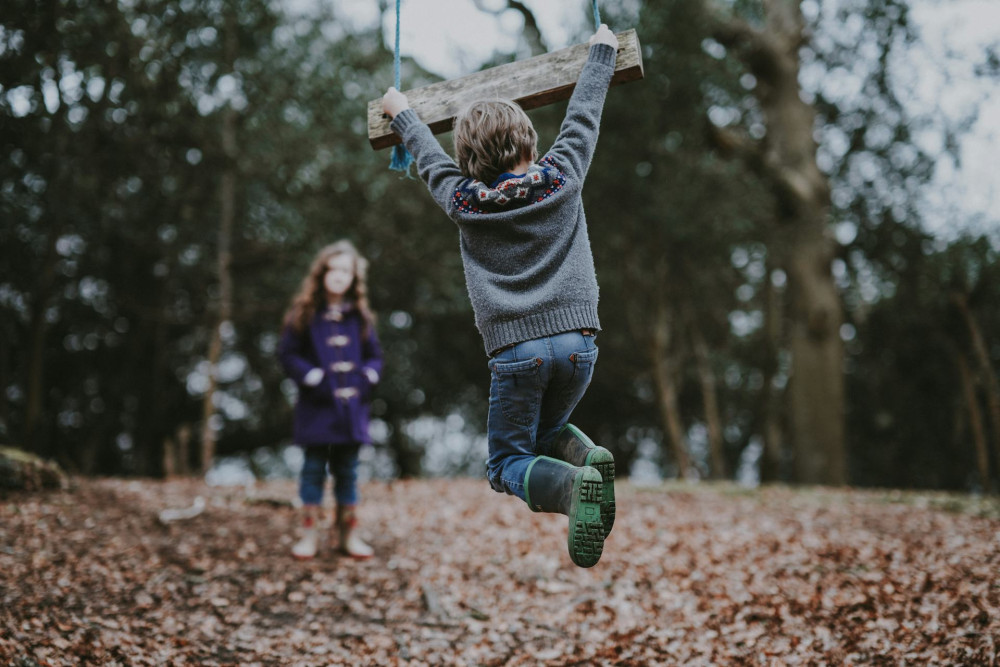
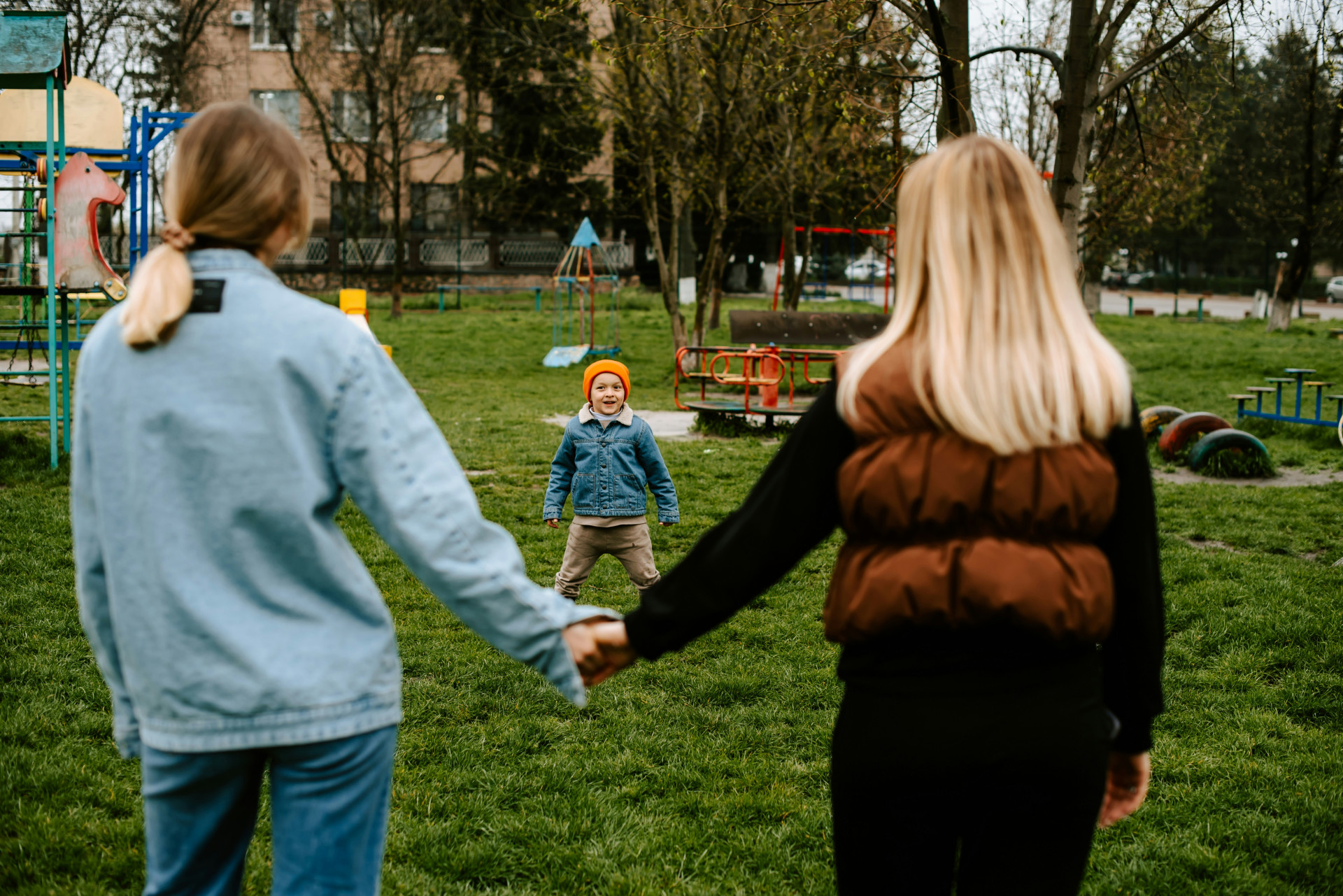
Play acts as a safe space where children can explore roles, emotions, and reactions. When two children build a tower together, they learn to listen, take turns, and compromise. When they play “house” or “school,” they practice empathy and learn to see things from another person’s perspective.
Research shows that children who have plenty of opportunities for free play with peers often develop stronger social awareness and conflict-resolution skills. Play becomes a natural training ground for social competence—without feeling like a lesson.
Connection and Security as the Foundation
For children to grow socially, they need to feel safe and connected. A sense of security gives them the confidence to explore and engage with others. Adults play a key role here—not as directors of play, but as supportive presences.
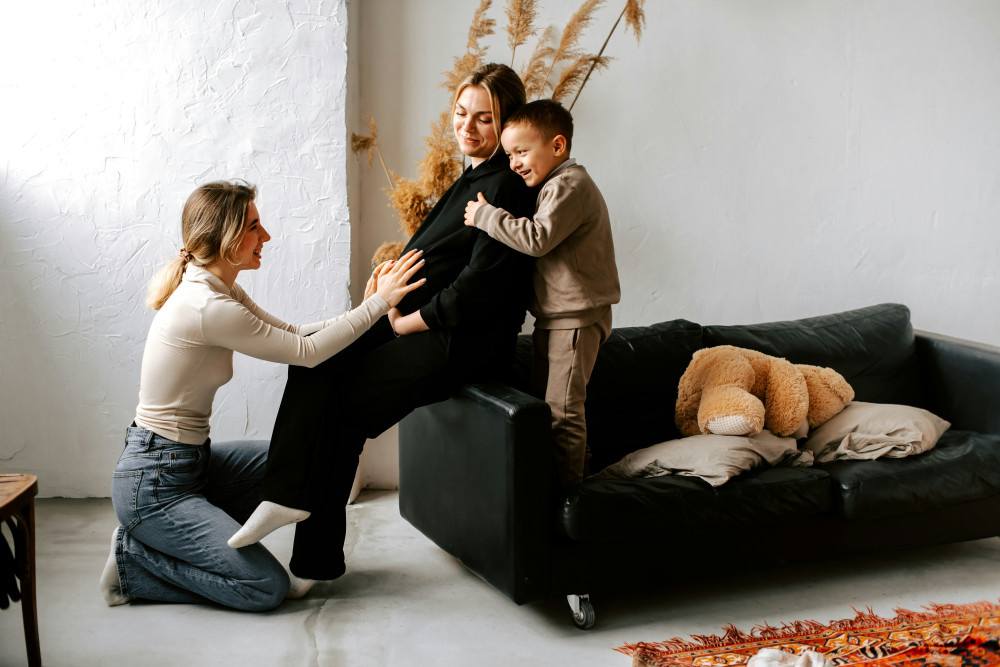
When adults show genuine interest in a child’s play, listen attentively, and acknowledge their feelings, the child learns that their experiences matter. This builds confidence and a willingness to participate in group activities. A child who feels seen and understood is more likely to take initiative and form new friendships.
Læs også:
Different Types of Play, Different Skills
Not all play develops the same abilities. By offering a variety of play experiences, adults can help children strengthen multiple aspects of their social and emotional growth.
- Pretend and imaginative play fosters empathy, language development, and perspective-taking.
- Building and construction play encourages teamwork, planning, and problem-solving.
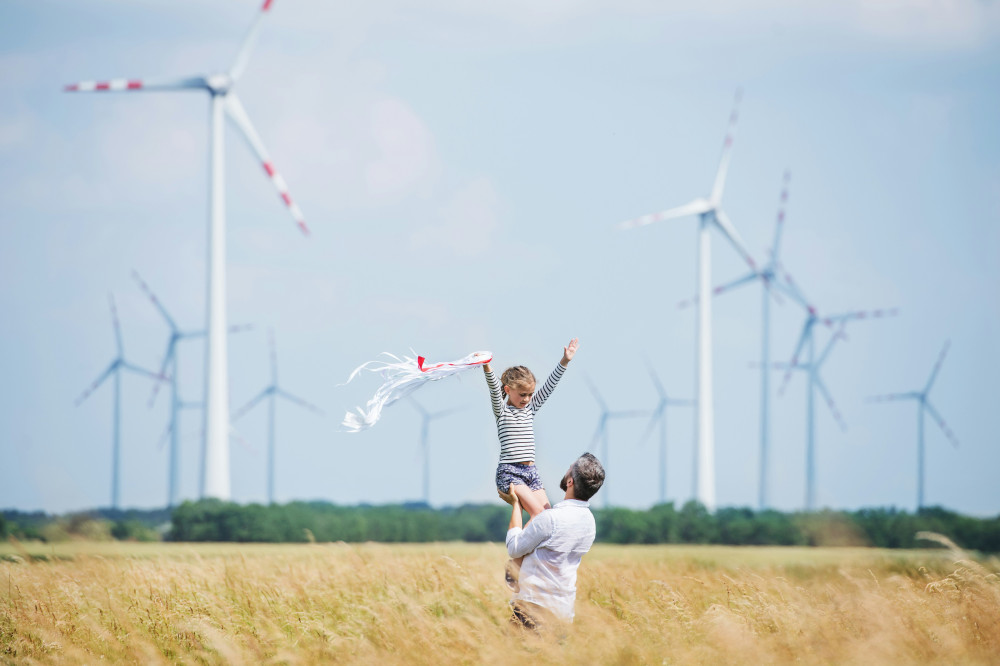
- Active play such as tag, ball games, or playground activities teaches children to follow rules, handle winning and losing, and celebrate shared success.
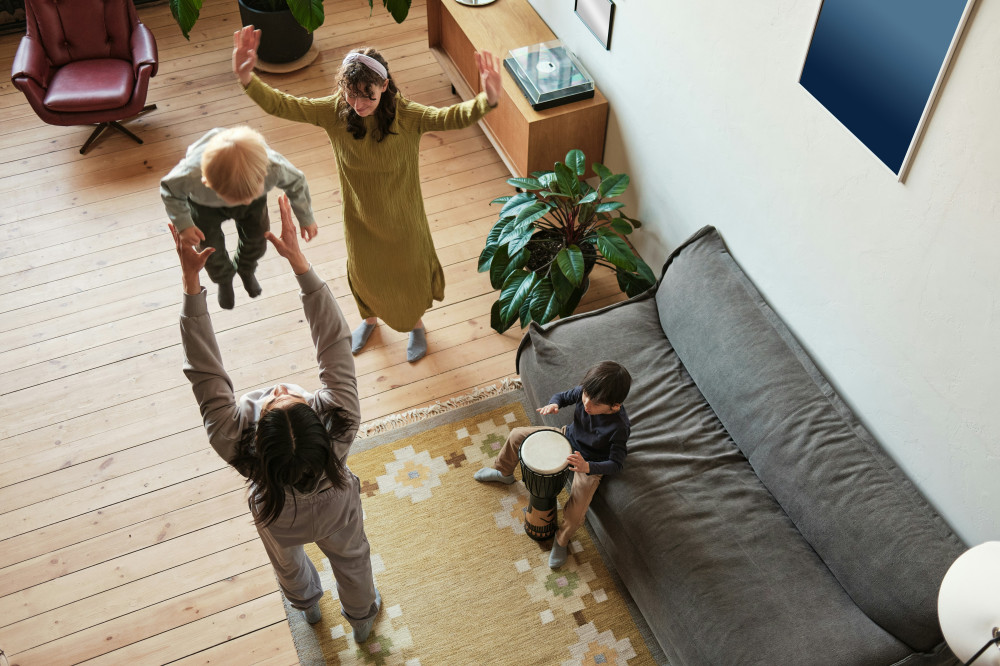
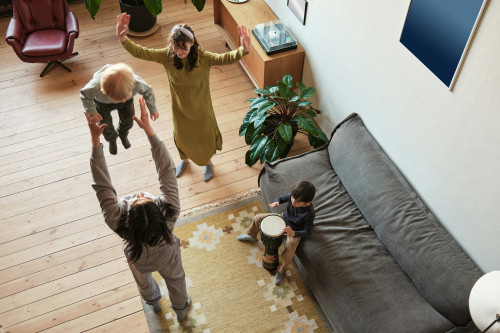
- Creative play like drawing, music, or dance allows children to express emotions and develop self-awareness.
By rotating between these types of play, children can grow emotionally, socially, and cognitively.
When Conflicts Arise
Disagreements are a natural part of children’s interactions—and an important part of their social learning. When children argue or feel frustrated, they have the chance to practice negotiation, assertiveness, and problem-solving. The adult’s role is not to eliminate all conflict but to guide children in understanding what happened and how to handle it.
A helpful approach is to name the emotions involved: “I can see you’re upset because you didn’t get a turn.” This helps children recognize their own feelings and develop empathy for others.
Play in a Digital Age
In a world where screens are everywhere, it’s important to preserve time for physical and social play. Digital games can have social elements, but they rarely replace the richness of face-to-face interaction—where children learn to read body language, tone, and facial expressions.
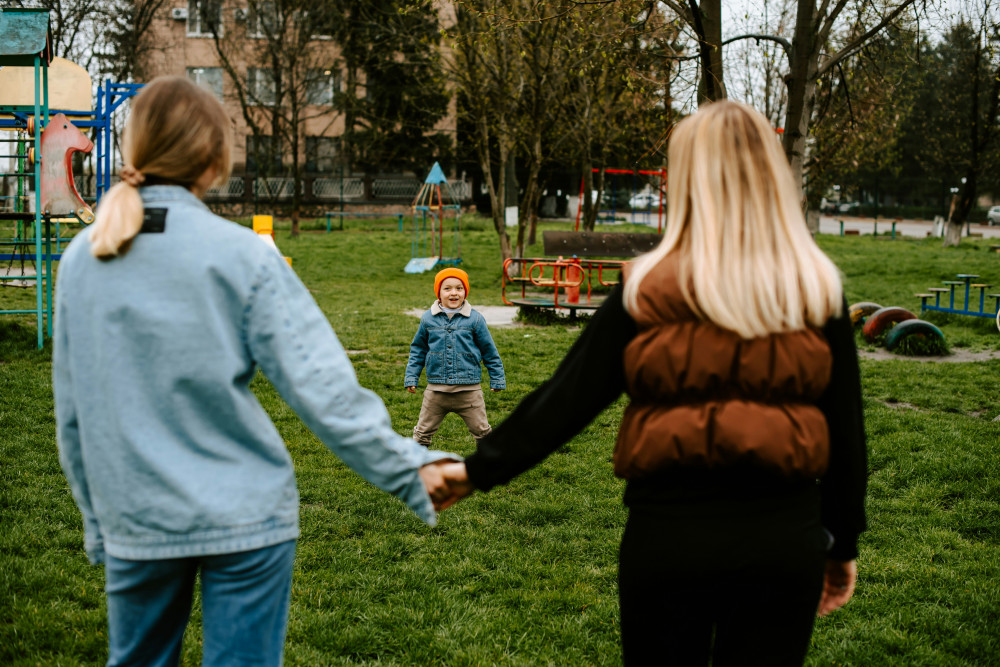
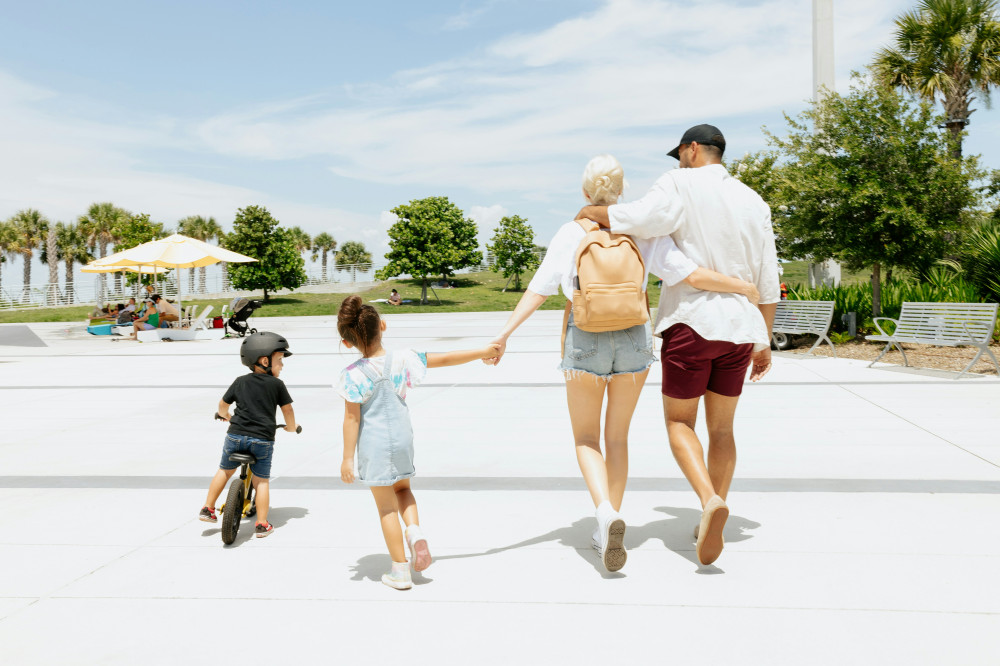
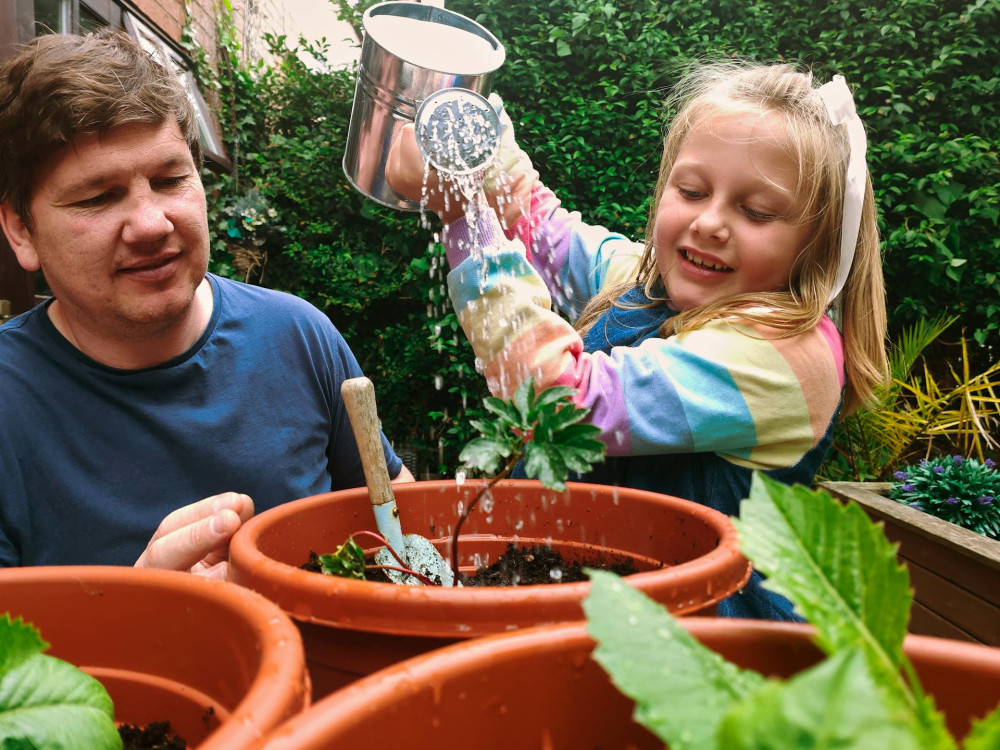
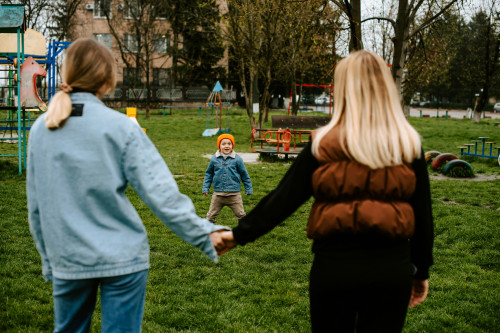
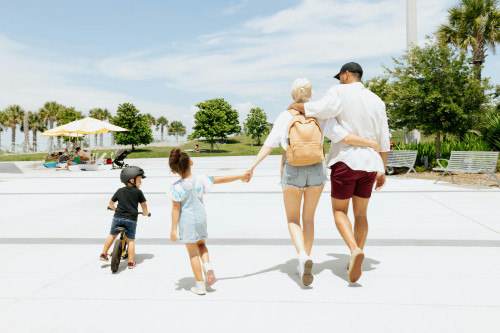
Parents can support balance by creating screen-free moments for play—both indoors and outdoors. A trip to the park, a board game, or cooking together can be just as valuable as a scheduled playdate.
How Adults Can Support Children’s Social Development
- Be a role model. Children learn by observing how adults communicate, listen, and cooperate.
- Create opportunities for connection. Invite friends over, join community activities, or encourage group play.
- Acknowledge emotions. Help children put words to feelings like joy, frustration, or disappointment.
- Allow free play. Avoid over-scheduling—children need unstructured time to invent and explore.
- Praise effort, not just results. This builds motivation and resilience, even when things don’t go as planned.
Play and Togetherness – The Key to Lifelong Learning
Social skills don’t develop overnight. They grow through countless small moments of laughter, teamwork, and even conflict. When children are given the freedom to play, the support to feel safe, and the joy of belonging, they build the foundation for empathy, cooperation, and self-confidence—qualities that will serve them well throughout their lives.
Læs også: