Active in Nature – How to Find Energy and Balance in Everyday Life

Active in Nature – How to Find Energy and Balance in Everyday Life
In a world that moves faster every day, it can be hard to find time to slow down, breathe deeply, and reconnect with yourself. Yet nature offers a simple remedy — a space where the pace eases, the senses awaken, and balance returns. Being active outdoors isn’t just about exercise; it’s about restoring energy, calm, and perspective. Here’s how you can make nature part of your daily life and feel the difference it brings.
Nature as an Antidote to Everyday Stress
Research shows that spending time in nature lowers stress levels, improves focus, and boosts mood. When you step outside into green surroundings, your heart rate slows, your body produces fewer stress hormones, and your mind begins to reset. It’s as if nature quietly restores your inner balance.
You don’t need to head to a national park to feel the benefits. A walk through your neighborhood, a jog along a local trail, or even fifteen minutes in a nearby park can make a noticeable difference. The key is to be present — put your phone away, notice the movement of the trees, the play of light, and the sounds around you.
Find Your Kind of Outdoor Activity
There are countless ways to be active in nature, and the best one is the one that fits your lifestyle and brings you joy.
- Walking and hiking – the most accessible way to get moving outdoors. Start with short walks close to home and gradually explore new trails or parks.
- Running and cycling – perfect if you want to combine fitness with fresh air. Forest paths, greenways, and bike trails offer both challenge and serenity.
- Kayaking, paddleboarding, or swimming – water has a calming effect, and being on a lake, river, or ocean can bring a deep sense of freedom.
- Gardening or community cleanups – physical activity that also gives back. Planting, pruning, or picking up litter can be both meditative and rewarding.
- Outdoor workouts – many city parks now have fitness areas or open spaces where you can train in the fresh air.
What matters most isn’t intensity but consistency. Small, regular moments in nature have a greater impact than occasional big adventures.
Make Space in Your Schedule
One of the biggest challenges is turning time in nature into a habit. It takes planning — but also prioritizing. Think of outdoor time as an appointment with yourself, as important as a meeting or a workout.
Create small rituals: take a walk after dinner, bike to work, or spend your lunch break outside. Even twenty minutes of daylight can boost your energy and improve your sleep.
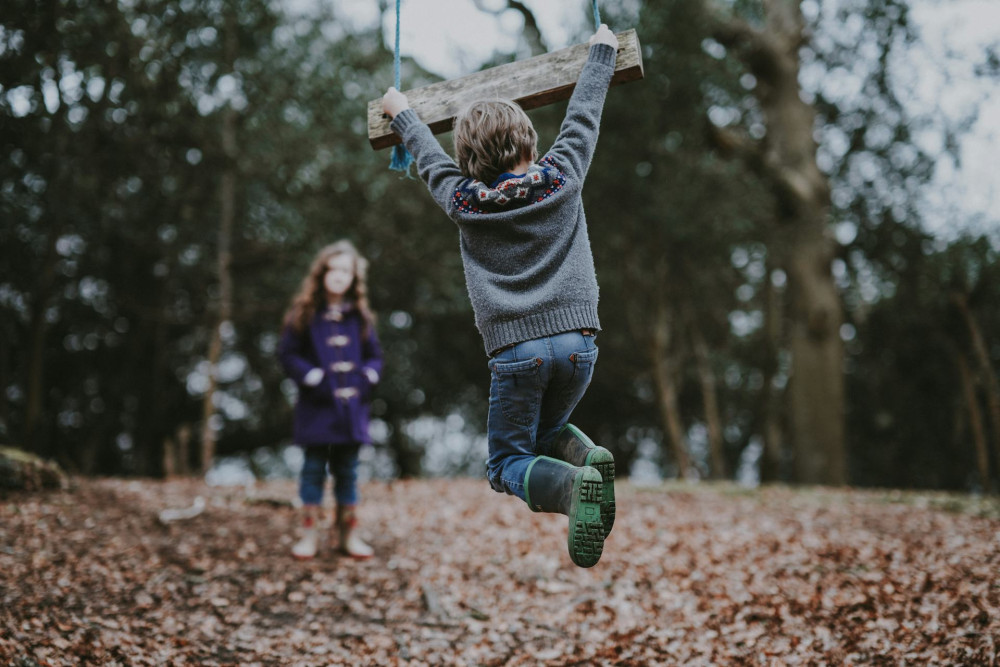
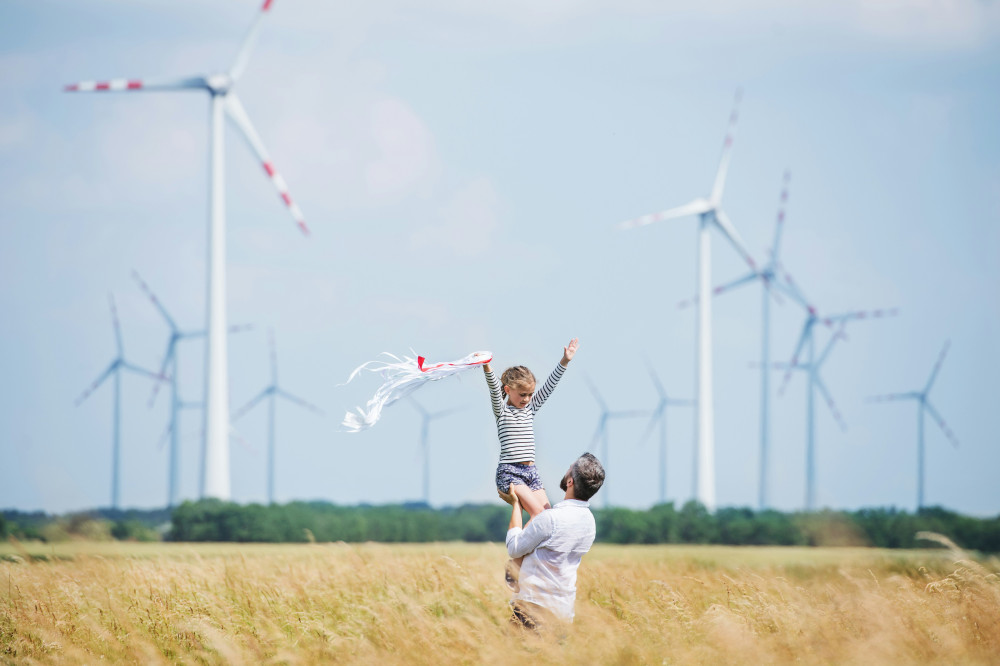
If you have a family, bring them along. A weekend walk, a picnic, or a short hike can become a shared tradition that gives everyone a break from screens and schedules.
Use Nature for Mental Balance
Nature can also be a powerful tool for mental well-being. Many people find that their thoughts settle when they move through quiet, natural spaces. You can use this time for reflection — or simply to give your mind a rest.
Try focusing on your senses: feel the breeze on your skin, listen to the birds, notice the scents and colors around you. This is a form of mindfulness that doesn’t require any special training — just awareness.
If it’s hard to unwind, set a simple goal: walk without music, without your phone, and without a plan. Just walk. Often, calmness follows naturally.
Nature as a Place for Connection
While nature is often associated with solitude, it can also be a place for community. Many people find motivation and joy in sharing outdoor experiences — whether it’s joining a hiking club, a running group, or simply meeting a friend for a weekly walk.
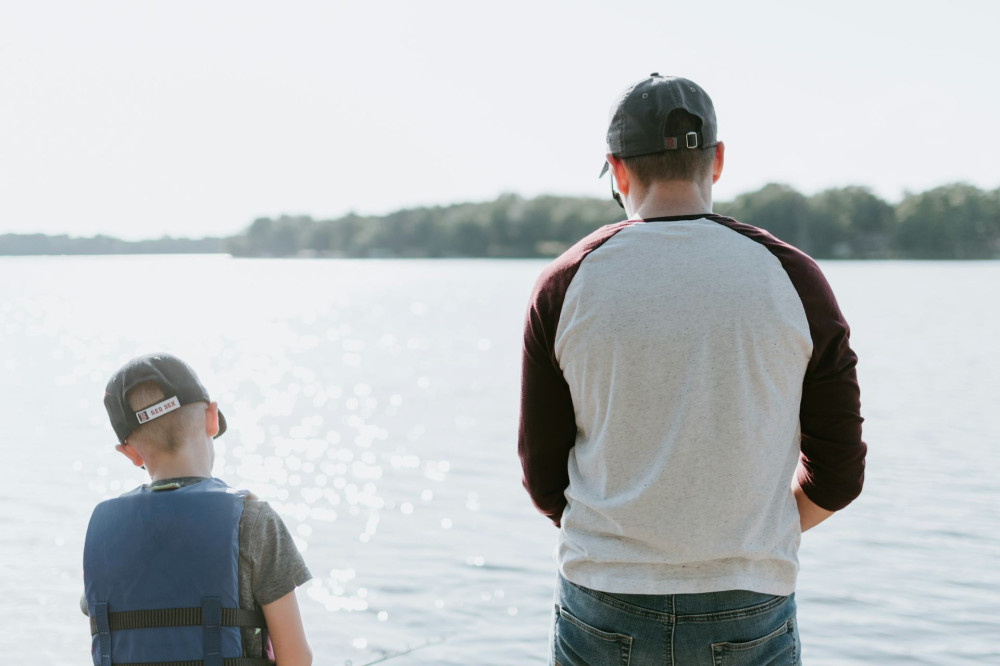
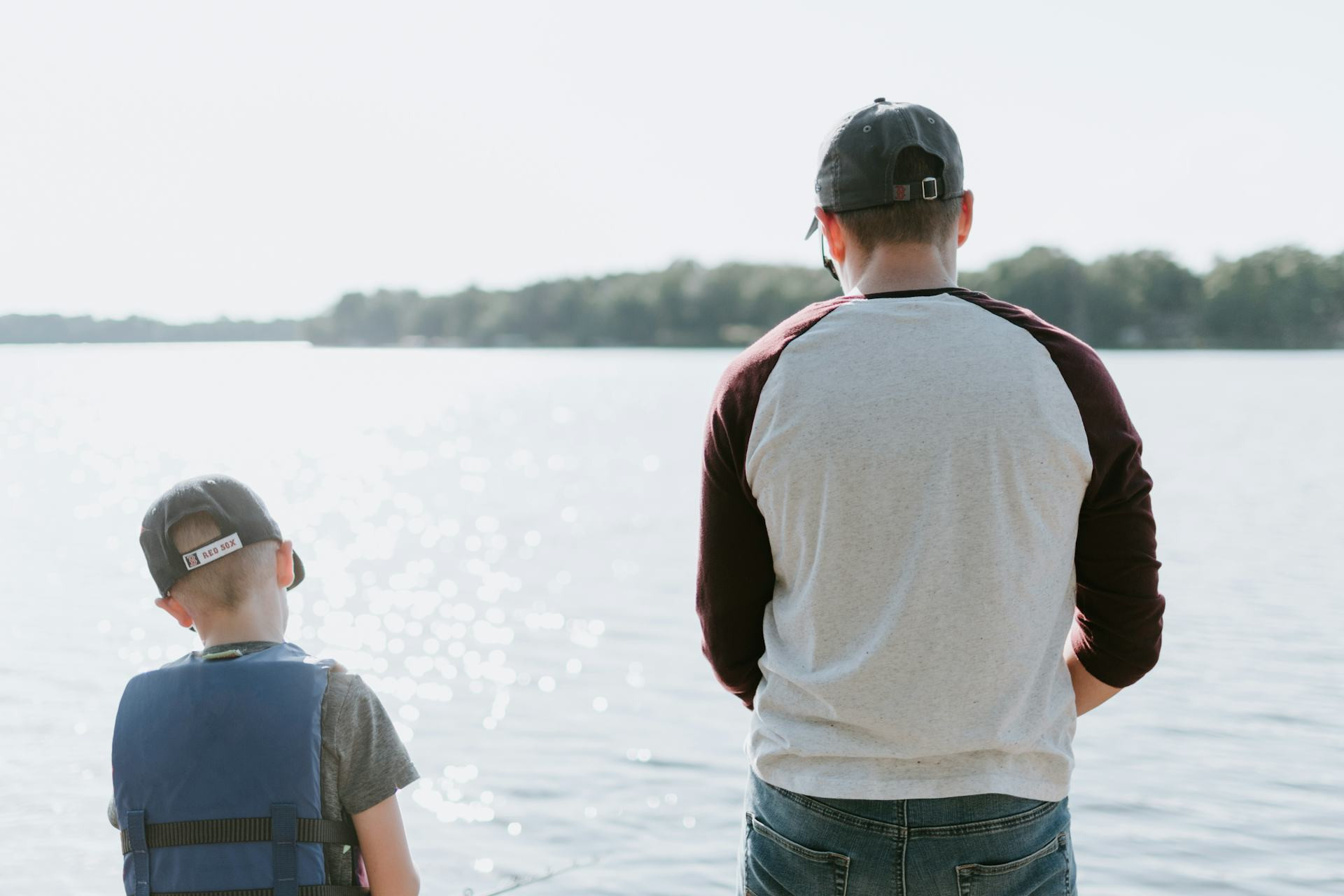
Shared time outdoors strengthens relationships in a unique way. When you move side by side, conversations flow more easily, and genuine connection grows — free from distractions.
Make Nature Part of Your Lifestyle
Being active in nature doesn’t have to be a project. It can become a natural part of your routine if you weave it into everyday life. Take the stairs instead of the elevator, get off the bus one stop early, or spend your weekend exploring a new park or trail.
The more often you get outside, the more you’ll notice how nature affects both body and mind. It’s not about performance — it’s about balance, presence, and rediscovering simplicity.
Læs også:



A Source of Energy and Calm
In a time when many of us feel drained by constant demands and digital noise, nature remains one of the most effective ways to recharge. It asks for nothing but gives so much in return. When you step outside, you don’t just move your body — you give your mind space to breathe.
So next time you feel tired or overwhelmed, go outdoors. Take a deep breath, look around, and let nature do the rest.
Læs også: