When Life Changes – How to Adapt Your Health Habits to New Roles

When Life Changes – How to Adapt Your Health Habits to New Roles
Life moves in seasons. We start new jobs, become parents, lose loved ones, move to new places, or retire. Each transition brings new rhythms, demands, and opportunities—and often changes the way we care for our health. What worked in one stage of life may not fit the next. But with awareness and a few adjustments, you can maintain your energy and well-being, no matter what role you’re stepping into.
Understand the Change – and Give Yourself Time
When life shifts, your body and mind don’t always adjust at the same pace. Maybe you had a routine that suddenly doesn’t fit anymore. That can feel frustrating, but it’s completely normal.
Start by accepting that change takes time. Instead of clinging to old habits, ask yourself: What do I need right now? Maybe it’s more rest, less pressure, or a new way to move your body.
Giving yourself permission to find a new rhythm is an essential part of staying healthy—physically and mentally.
New Roles Call for New Routines
Every new role brings a different daily structure, and your health habits should evolve with it.
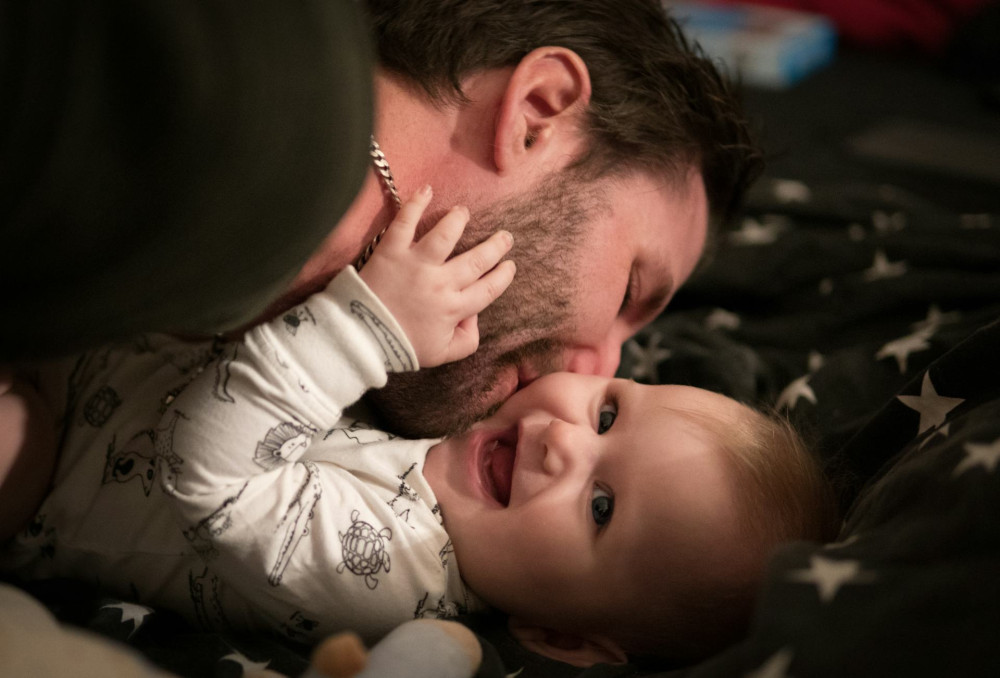
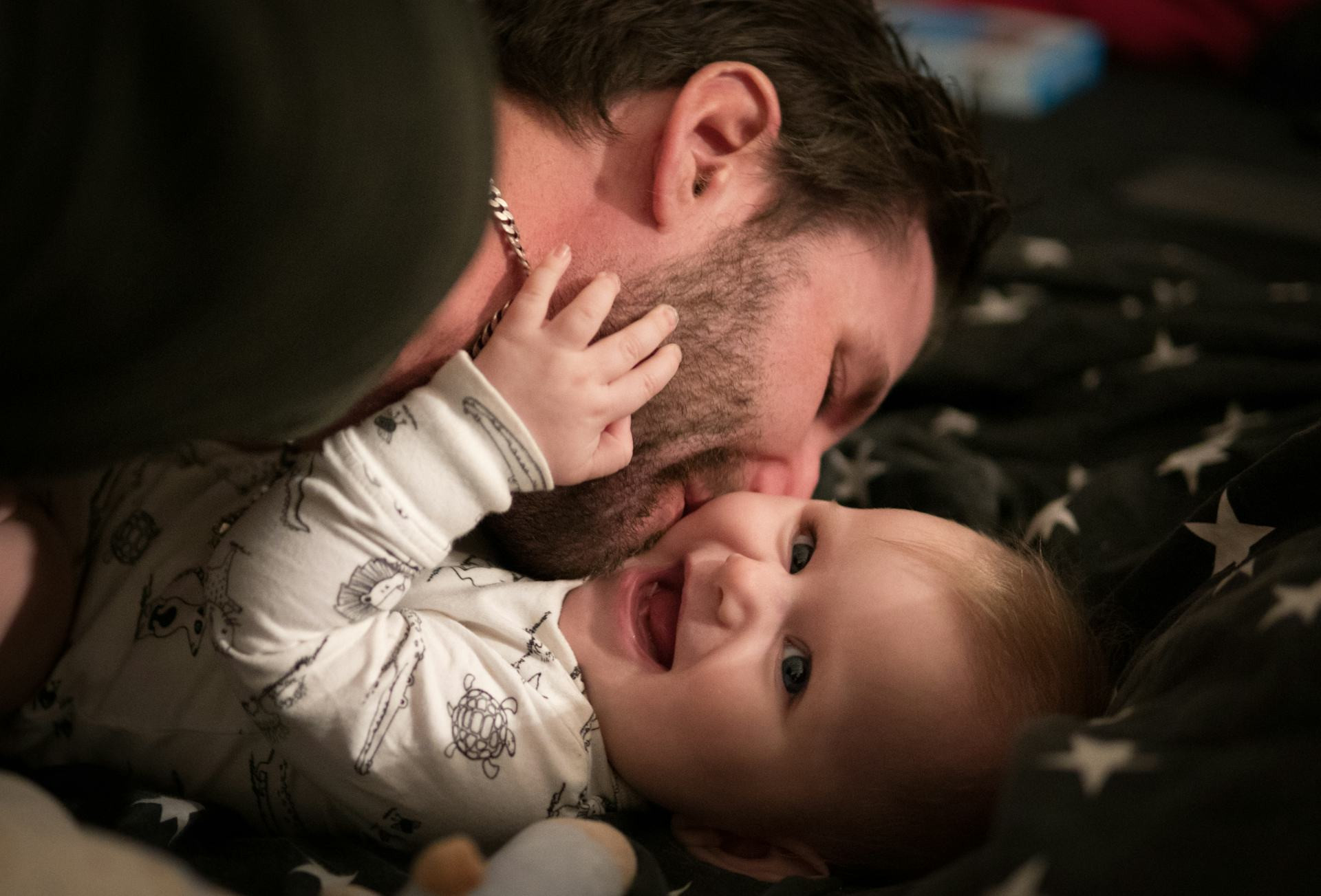
- As a new parent, sleep and structure can be hard to come by. Health might mean taking short breaks, eating regularly, and counting a stroller walk as your workout.
- In a demanding job, stress and long hours at a desk can take a toll. Short movement breaks, healthy snacks, and intentional downtime can make a big difference.
- When you retire, you may suddenly have more time—but also need new routines. Regular exercise, social activities, and balanced meals can help you stay energized and connected.
The key is to see health as flexible—not a rigid set of rules, but a collection of habits that adapt to your life stage.
Læs også:



Small Steps Lead to Big Results
When you’re in the middle of change, overhauling everything at once can feel overwhelming. But small, consistent steps can have a powerful impact.
- Focus on one habit at a time—like drinking more water, taking a short walk after dinner, or turning off screens earlier.
- Set realistic goals—it’s better to move for 20 minutes a day than to plan an hour-long workout you never get to.
- Celebrate small wins—they build momentum and make it easier to keep going.
Health isn’t about perfection; it’s about consistency. The small choices you repeat over time are what truly shape your well-being.
Listen to Your Body – and Adjust Along the Way
Your body sends signals when something’s off. Fatigue, tension, or low energy can be signs that you need to slow down, change your routine, or shift your priorities.
Pay attention to those signals instead of pushing through them. Maybe you need more sleep, more movement—or simply a break.
Adapting your health habits isn’t just about discipline; it’s about awareness. When you learn to listen to your body, it becomes easier to find a balance that lasts.
Support and Connection Make It Easier
Change is easier when you’re not doing it alone. Share your goals and challenges with others—a friend, partner, or coworker. You might find ways to support each other, like walking together or planning healthy meals.
Community builds motivation and helps you stay accountable. It also reminds you that health isn’t just about your body—it’s about relationships, purpose, and belonging.
Health as a Lifelong Journey
No one lives the same life forever—and your approach to health shouldn’t stay the same either. It’s a lifelong journey, one where you keep adjusting your course.
When you see health as something that grows and changes with you, it becomes easier to stay balanced. You learn to honor your needs, your roles, and your dreams—and that’s the true foundation of a healthy life.
Læs også: