Dietary Guidelines Across Cultures – Balancing Tradition and Health

Dietary Guidelines Across Cultures – Balancing Tradition and Health
Food is more than fuel – it is culture, identity, and connection. Every culture has its own culinary traditions shaped by geography, religion, history, and available ingredients. At the same time, global health recommendations and dietary guidelines have become increasingly influential. How can we honor our food traditions while also following modern science on what supports long-term health?
The Strength – and Challenge – of Tradition
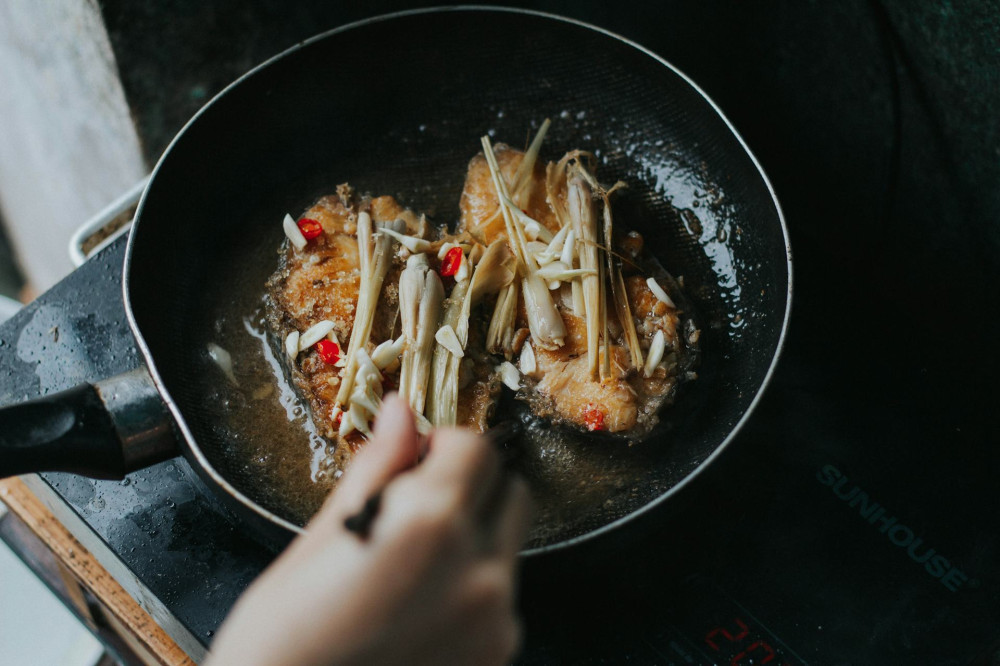
Traditional dishes carry generations of wisdom. They tell stories of survival, celebration, and community. In the Mediterranean region, people have long relied on vegetables, fish, and olive oil – a pattern now recognized as one of the world’s healthiest. Across Asia, rice, vegetables, and fermented foods have been staples, while in Latin America, corn, beans, and fresh produce form the foundation of many meals.
Yet traditions can also present challenges. Many recipes were created in times when people worked physically demanding jobs or needed to preserve food with salt, sugar, or fat. Today, with more sedentary lifestyles, those same dishes can contribute to weight gain and chronic diseases if eaten in large portions or without balance.
Læs også:
When Health Meets Culture
Official dietary guidelines – whether from the U.S. Department of Agriculture or other national health agencies – are based on research about what supports long-term well-being. They typically emphasize more fruits, vegetables, whole grains, and lean proteins, and less added sugar, sodium, and saturated fat. But how do these recommendations fit into a life where food is also about taste, comfort, and cultural identity?
For many Americans with roots in multiple cultures, blending traditional foods with modern health advice can be a challenge. A Southern family recipe might be lightened by baking instead of frying, or a beloved Mexican dish might use more vegetables and less cheese without losing its essence. The goal isn’t to abandon tradition, but to adapt it.
Small Changes, Big Impact
Eating healthier doesn’t have to mean giving up the foods you love. Often, small adjustments can make a meaningful difference:
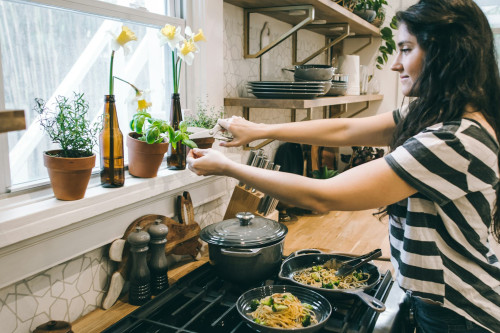
- Keep the flavor, reduce the fat and salt. Use herbs, spices, citrus, and vinegar to enhance taste instead of relying on heavy oils or salt.
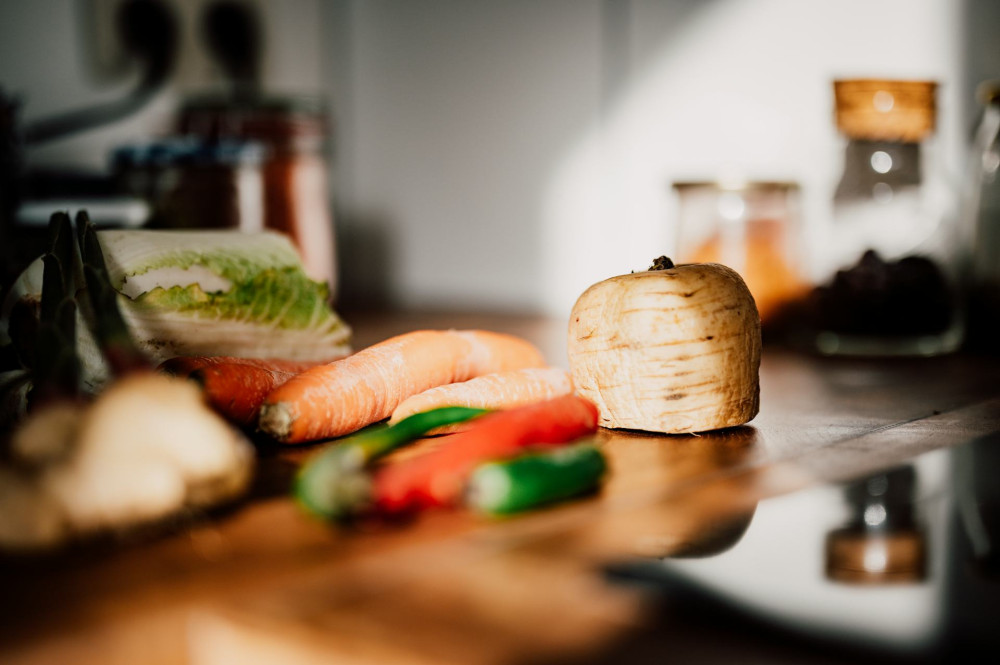
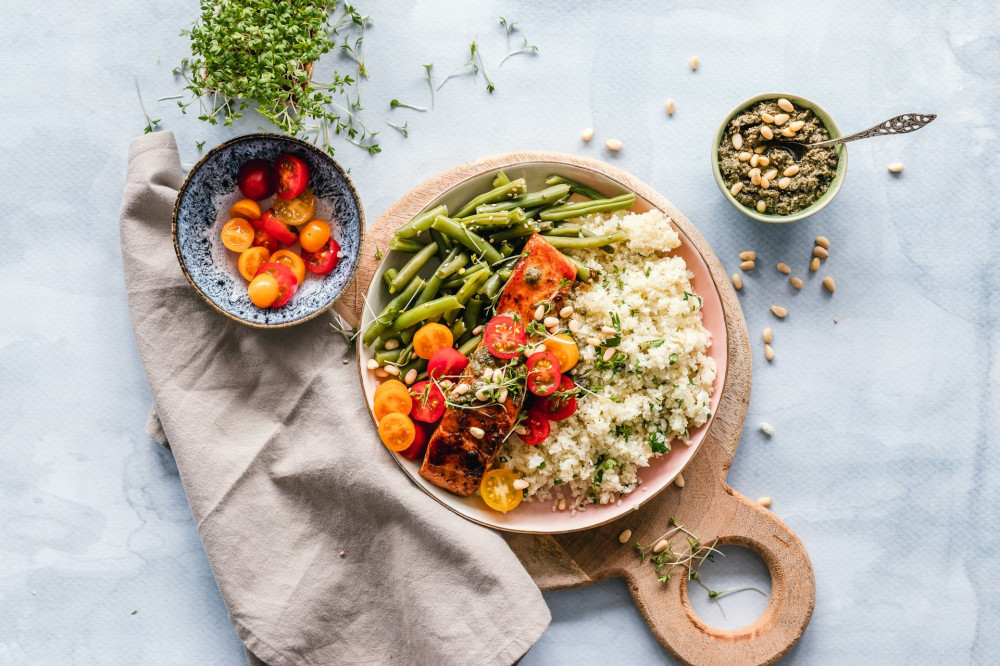
- Let vegetables take center stage. Many traditional dishes can be rebalanced so that vegetables make up most of the plate, with meat as a side.
- Choose whole grains. Swap white rice, bread, or pasta for whole-grain versions to add fiber and nutrients.
- Use local and seasonal ingredients. This supports sustainability and can inspire creative twists on classic recipes.
These small steps allow you to preserve cultural roots while aligning with modern health recommendations.
Food as a Common Language
When families gather around the table, generations and cultures meet. Parents and grandparents bring recipes and memories, while younger generations often bring new ideas about nutrition and global food trends. Rather than seeing this as a clash, it can be a chance for dialogue and discovery.
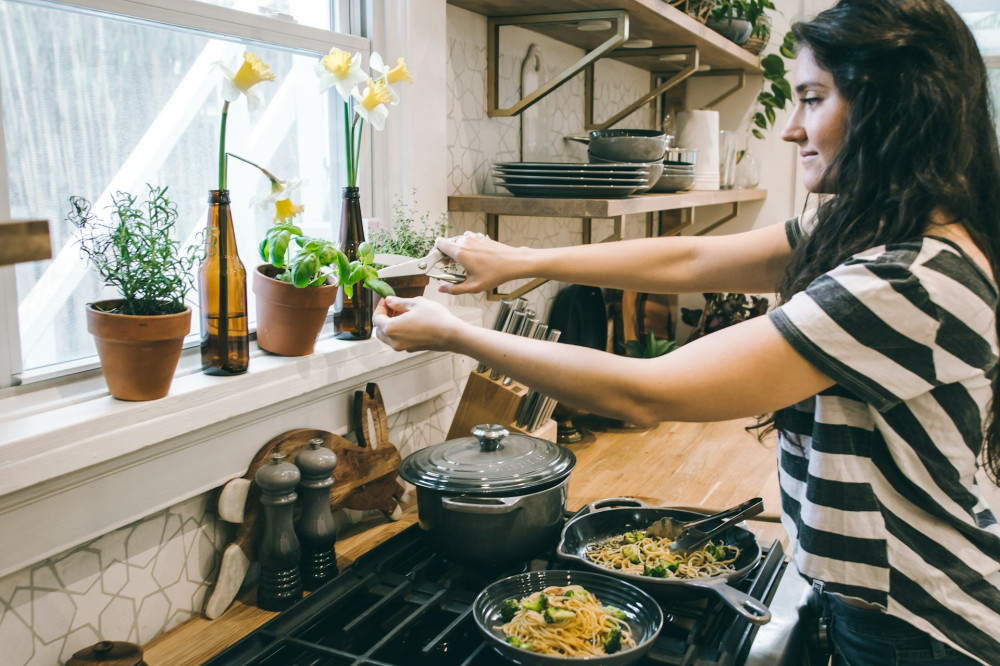
Cooking together – and perhaps adjusting recipes as a family – can bridge tradition and innovation. It fosters respect for heritage while encouraging curiosity about new flavors. Many people find that the most meaningful and sustainable eating habits emerge from this blend of old and new.
A Balanced Approach to Food and Culture
Health is not only about nutrients; it’s also about joy, community, and identity. A diet that looks perfect on paper but feels disconnected from one’s culture is hard to maintain. The key is balance – enjoying traditional foods while making mindful choices that support well-being.
Eating with awareness doesn’t mean giving up tradition; it means allowing it to evolve. When we understand where our food comes from and how it affects us, we can create a way of eating that honors the past and nourishes the future.
Læs også: