Herbs and Spices – How to Bring Out the Best in Seasonal Produce

Herbs and Spices – How to Bring Out the Best in Seasonal Produce
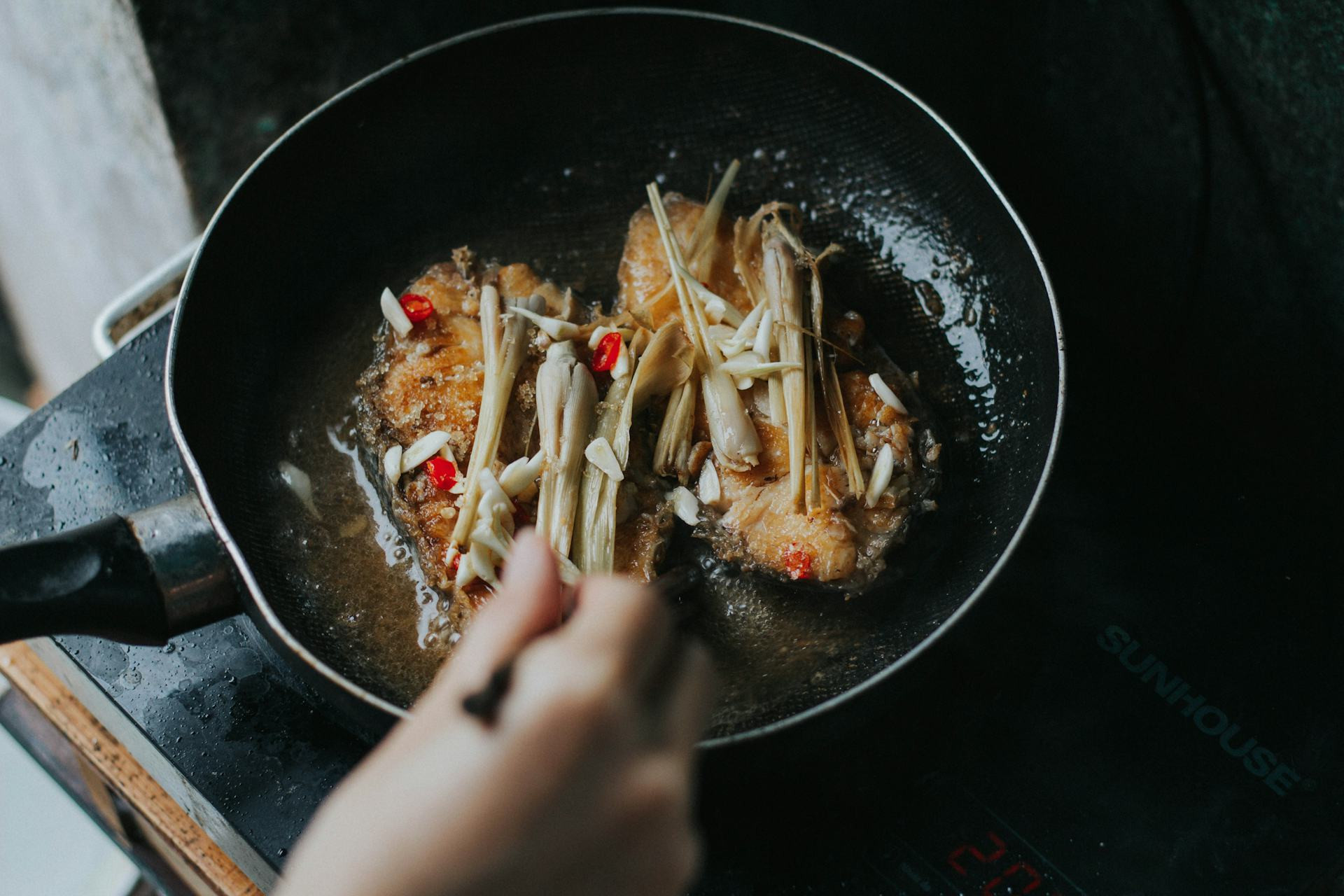
When spring greens start to appear and summer vegetables fill the farmers’ markets, it’s the small details that can turn a simple meal into something memorable. Herbs and spices are exactly that kind of detail – they can highlight, balance, and transform seasonal produce so that every ingredient shines. Here’s how to use them thoughtfully to bring out the best in what each season has to offer.
Fresh Herbs – Nature’s Green Flavor Boosters
Fresh herbs are like little bursts of flavor that can completely change the character of a dish. They add brightness, aroma, and color – perfect for the lighter meals many of us enjoy in spring and summer.
- Basil pairs beautifully with tomatoes, zucchini, and fresh mozzarella. Add it at the end of cooking to preserve its sweet, fragrant notes.
- Dill complements new potatoes, salmon, and eggs – a fresh, coastal flavor that feels like summer.
- Parsley is a versatile classic that works in salads, dressings, and as a finishing touch on warm dishes.
- Cilantro brings a lively, citrusy note to vegetable dishes, chicken, and tacos.
- Thyme and rosemary are sturdier herbs that stand up to heat – perfect for roasted vegetables or grilled meats.
A good rule of thumb: add delicate herbs like basil and parsley at the end of cooking, while heartier ones like thyme and rosemary can go in early to infuse their flavor.
Dried Spices – Depth and Warmth in Every Season
While fresh herbs bring brightness, dried spices add depth and complexity. They’re especially useful in fall and winter cooking, but a pinch can also add contrast to summer dishes.
- Cumin and coriander seeds lend warmth and nuttiness – great in lentil stews or roasted vegetable dishes.
- Paprika and chili powder add color and heat, perfect for chili, marinades, or grilled corn.
- Cinnamon and cardamom aren’t just for baking – try a touch in carrot or squash soups for a subtle sweetness.
- Turmeric gives a golden hue and earthy flavor that pairs well with rice, cauliflower, or roasted root vegetables.
For the best flavor, toast dried spices briefly in a dry skillet before adding them to your dish. This releases their natural oils and intensifies their aroma.
Seasonal Produce – and How to Highlight It
Using herbs and spices isn’t just about flavor; it’s about supporting the natural character of the ingredients. Here’s how to think seasonally:
- Spring: New potatoes with dill and lemon zest, asparagus with parsley and butter, or a pea salad with mint.
- Summer: Tomato salad with basil and olive oil, grilled vegetables with rosemary, or chilled cucumber soup with dill.
- Fall: Roasted root vegetables with thyme and cumin, mushroom risotto with sage, or pumpkin soup with cinnamon and chili.
- Winter: Cabbage sautéed with curry and ginger, lentil stew with paprika, or roasted celery root with rosemary and garlic.
Cooking with the seasons not only gives you fresher produce but also a natural rhythm of flavors throughout the year.
Læs også:
Balancing Sweet, Sour, Salty, and Spicy
When working with herbs and spices, balance is key. Too many strong flavors can overwhelm the produce, while too few can make a dish taste flat. Taste as you go, and adjust with acid (like lemon juice or vinegar) and salt – both help bring flavors into focus.
A sprinkle of fresh herbs at the end can tie everything together and add a final burst of freshness, especially if you’ve used warming spices earlier in the dish.
Make Herbs Part of Everyday Cooking
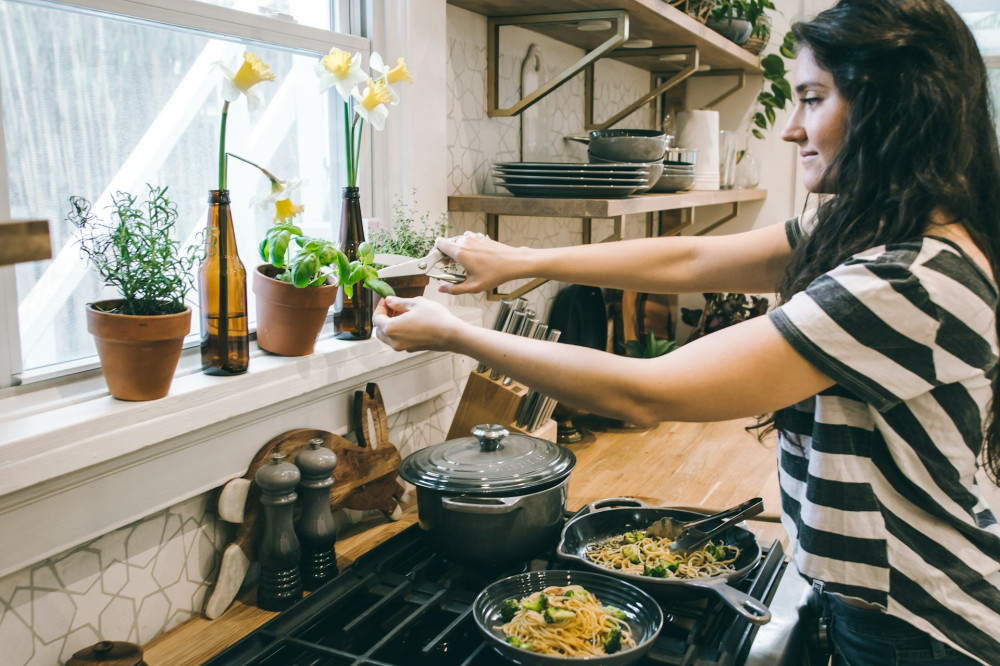
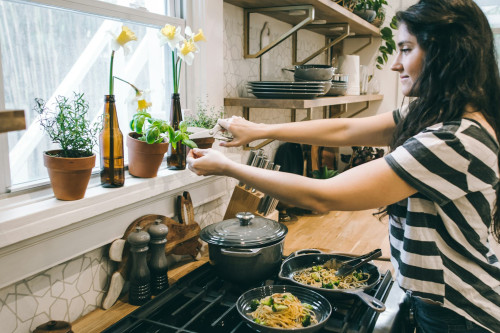
It doesn’t take much to bring fresh herbs into your daily meals. You can grow them on a sunny windowsill, balcony, or backyard garden – and snip them as needed. It’s a simple way to add freshness and a personal touch to your cooking.
Try making infused oils with rosemary or chili, freeze chopped herbs in ice cube trays with a little olive oil, or create your own spice blends for soups and roasted vegetables. That way, you’ll always have flavor at hand – even when the season changes.
Flavor That Follows the Seasons
Using herbs and spices mindfully is about letting nature guide you. When you follow the rhythm of the seasons and pair fresh herbs with the produce that’s at its peak, you create food that tastes right for the moment. It’s the simplest way to make everyday meals more vibrant – and to let seasonal ingredients truly shine.
Læs også: