Family Collaboration – Strengthen Your Bond with Fun Shared Projects

Family Collaboration – Strengthen Your Bond with Fun Shared Projects
In today’s busy world, it can be hard for families to find time to truly connect. Between work, school, and screens, meaningful moments together often slip away. But shared projects – big or small – can bring everyone closer. When you work toward a common goal, you create laughter, learning, and lasting memories. Here’s how you can build stronger family bonds through fun, hands-on collaboration.
Why Shared Projects Bring Families Closer
Working together on a project does more than get something done – it builds teamwork, communication, and trust. Every family member, from the youngest to the oldest, gets a chance to contribute and feel valued. Kids learn responsibility and confidence when their ideas matter, and parents get to see their children’s creativity and problem-solving skills in action.
Shared projects also help families slow down and focus on each other. They turn ordinary moments into opportunities for connection and growth.
Læs også:
Start Small and Keep It Simple
You don’t need a big, time-consuming project to make a difference. Small, manageable activities can be just as rewarding – especially if they become part of your regular routine.
- Cook together – Pick one night a week for a family dinner project. Let kids choose the menu, chop veggies, or set the table.
- Build something – Try a birdhouse, a bookshelf, or a backyard planter box. Creating something tangible gives everyone a sense of accomplishment.
- Plan a theme night – Choose a country, cook its food, and learn a few fun facts about its culture.
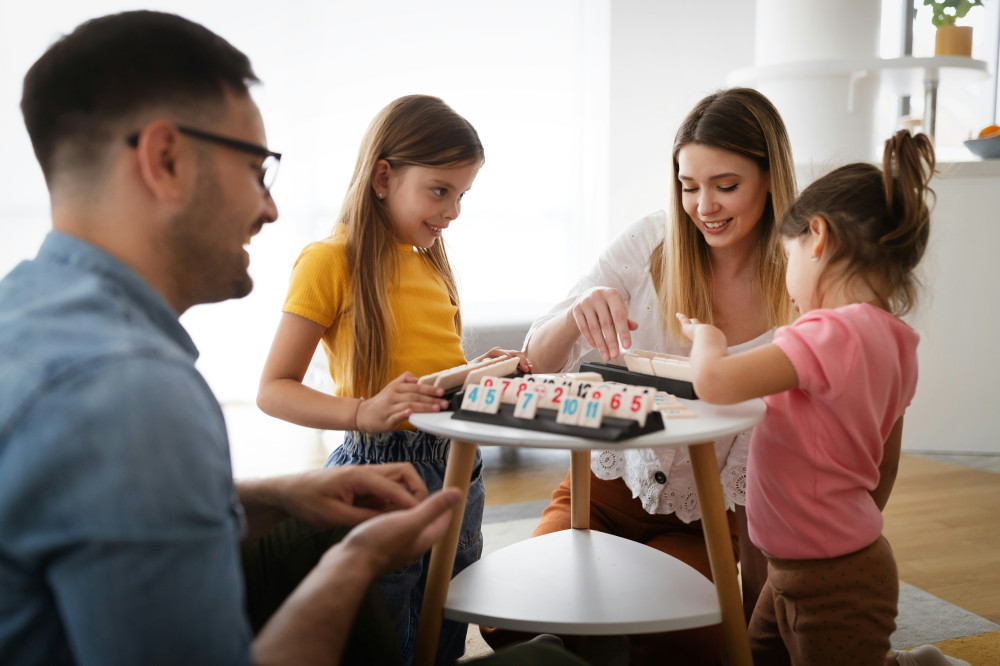
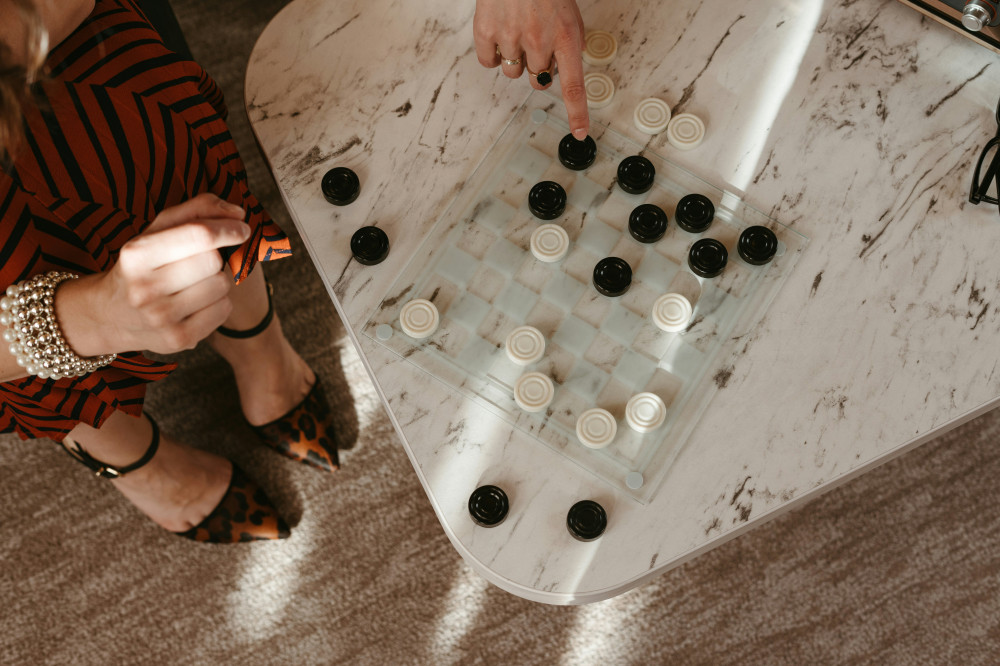
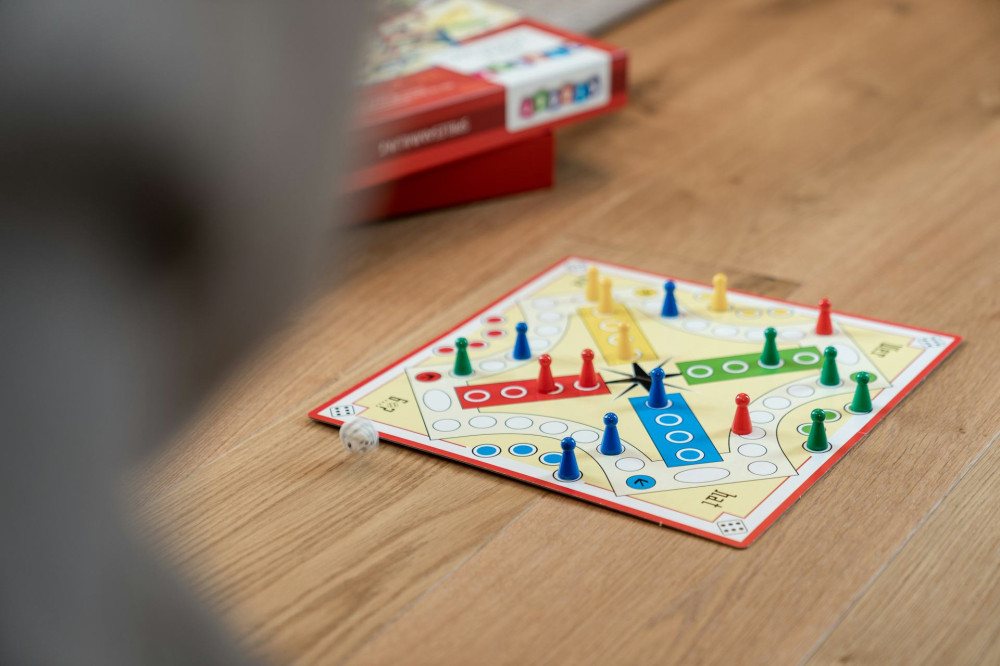
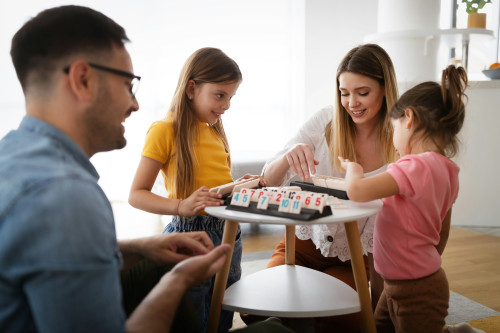
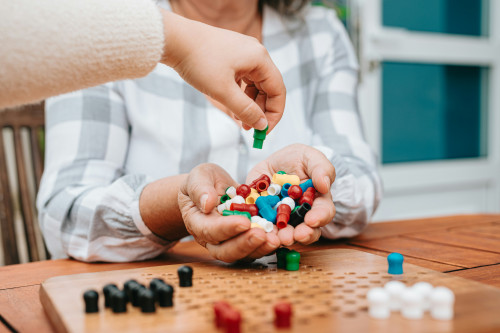
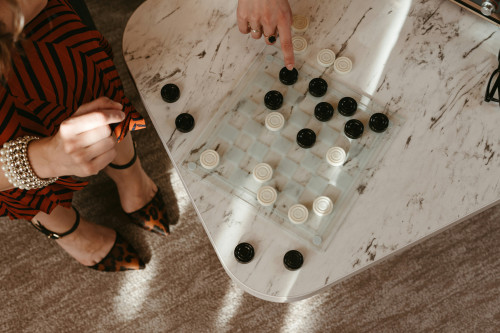
- Start a family ritual – A weekly game night or movie night where everyone takes turns choosing the activity can become a cherished tradition.
The key is to choose something that fits your family’s interests, time, and energy – and to make it feel like fun, not a chore.
Make It a Team Effort
True collaboration means everyone has a voice. It can be tempting for parents to take charge, but try to let kids lead sometimes. Ask for their ideas and let them help make decisions. When everyone feels ownership, enthusiasm grows.
You can even make a simple plan together: What needs to be done? Who will do what? When will it be finished? This helps children learn about planning and teamwork in a natural, enjoyable way.
Try Longer-Term Projects
If your family is ready for something bigger, long-term projects can create even deeper connections. Consider:
- A garden project – Start a small vegetable or flower garden where everyone has their own plants to care for.
- A creative project – Paint a family mural, make a scrapbook, or film a short family movie.
- A community project – Volunteer together, organize a neighborhood cleanup, or bake for a local fundraiser.
- A travel or adventure project – Plan a family road trip where everyone contributes ideas for destinations, activities, and meals.
These projects take more time, but they also teach patience, cooperation, and the joy of seeing something grow over time.
Focus on the Process, Not Just the Result
When families work together, the real value lies in the process – the conversations, laughter, and even the small disagreements that happen along the way. These moments teach listening, compromise, and problem-solving.
If something doesn’t go as planned, treat it as a learning opportunity. Talk about what could be done differently next time. Kids learn that mistakes are part of growth and that teamwork means trying again together.
Create Traditions That Last
When you find something that works, make it a tradition. Maybe it’s an annual family project day, a summer garden, or a Sunday cooking session. Traditions give families a sense of stability and something to look forward to – and they often become the memories children treasure most as adults.
Family collaboration isn’t about perfection. It’s about creating time and space to be together in a way that feels real and joyful. By working side by side, you’re not just completing projects – you’re building trust, love, and a stronger sense of belonging that lasts a lifetime.
Læs også: