New Family Games, New Experiences – Why Modern Games Win Our Hearts

New Family Games, New Experiences – Why Modern Games Win Our Hearts
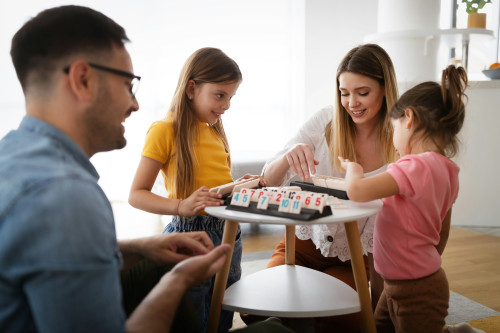
Board games and family games are having a renaissance. Once dominated by dice, luck, and familiar squares, today’s games invite us into worlds of storytelling, teamwork, and strategy. They bring generations together around the table and create memories that last far beyond the final score. But what is it about modern family games that captures our hearts—and why are we living through a new golden age of play?
From Competition to Connection
In the past, family game night often meant fierce competition—someone won big, and someone stormed off. Today, the trend is shifting. Many of the most beloved modern games focus on cooperation, where the whole family plays with each other instead of against one another. The result? A completely different atmosphere around the table.
Games like Pandemic, Forbidden Island, and Magic Maze challenge players to think together, plan ahead, and support one another. Everyone, from kids to grandparents, can contribute in their own way—and victory feels like a shared triumph. For many families, that sense of togetherness is what makes these games so special.
Stories That Pull Us In
Another reason modern games resonate is their storytelling. Many new titles are built around evolving narratives or imaginative worlds that unfold as you play. Whether it’s embarking on a fantasy adventure or solving a mystery as a team, these games turn players into characters in their own story.
Games such as Dixit and Mysterium use art and imagination to spark creativity, while Chronicles of Crime and Unlock! blend board gaming with apps and technology. The result is an experience that feels alive and immersive—like stepping into your own movie or novel.
Design That Delights the Eye
Modern games aren’t just fun—they’re beautiful. From the artwork to the materials to the box itself, design has become part of the experience. Many game creators now treat their work as art, crafting pieces you’ll want to display rather than hide in a closet.
This focus on aesthetics has helped board games earn a new place in the home. They’re no longer just for kids—they’re part of the family’s shared culture, proudly sitting on the coffee table, ready for the next game night.
A Welcome Break from Screen Time
In an age when so much of our free time happens in front of screens, board games offer something refreshingly different: presence. When we play together, we put our phones aside, look each other in the eye, and share laughter, frustration, and small victories. It’s a digital detox that doesn’t feel old-fashioned.
Many parents find that game night becomes a cherished ritual—on weekends, holidays, or quiet evenings at home. It’s a way to connect where everyone, regardless of age or experience, can join in equally.
New Forms for New Generations
The evolution doesn’t stop at the board. In recent years, we’ve seen a wave of hybrid games that combine physical components with apps, sound, or augmented reality. These innovations open up new ways to play and make it easier to engage kids and teens who are used to digital experiences.
At the same time, there’s growing interest in light role-playing games and escape room-style games, where players solve puzzles and make choices that shape the story. They offer a sense of adventure and freedom that many of us crave in our everyday lives.
Finding the Right Game for Your Family
Choosing a new family game is all about matching it to your family’s mood and schedule. Here are a few simple tips:
- Pick by mood, not just rules. Do you want to laugh, think, or collaborate?
- Check the playtime. Some games last 20 minutes; others can fill an evening.
- Try before you buy. Many local game stores host demo nights or lend out games.
- Let the kids choose. When they feel ownership, everyone has more fun.
The most important thing isn’t which game you play—it’s that you choose to play together.
Læs også:


A New Era of Shared Play
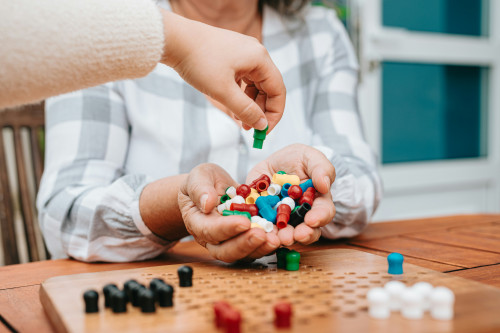
Modern family games remind us that play isn’t something we outgrow. Quite the opposite. They show that connection, imagination, and laughter are still some of the strongest bonds we can share. When we gather around a game, we create small moments of joy and presence—and that’s exactly why these new games win our hearts.
Læs også: