Get Ready for Your Hike: Training and Exercises for Longer Outdoor Adventures

Get Ready for Your Hike: Training and Exercises for Longer Outdoor Adventures
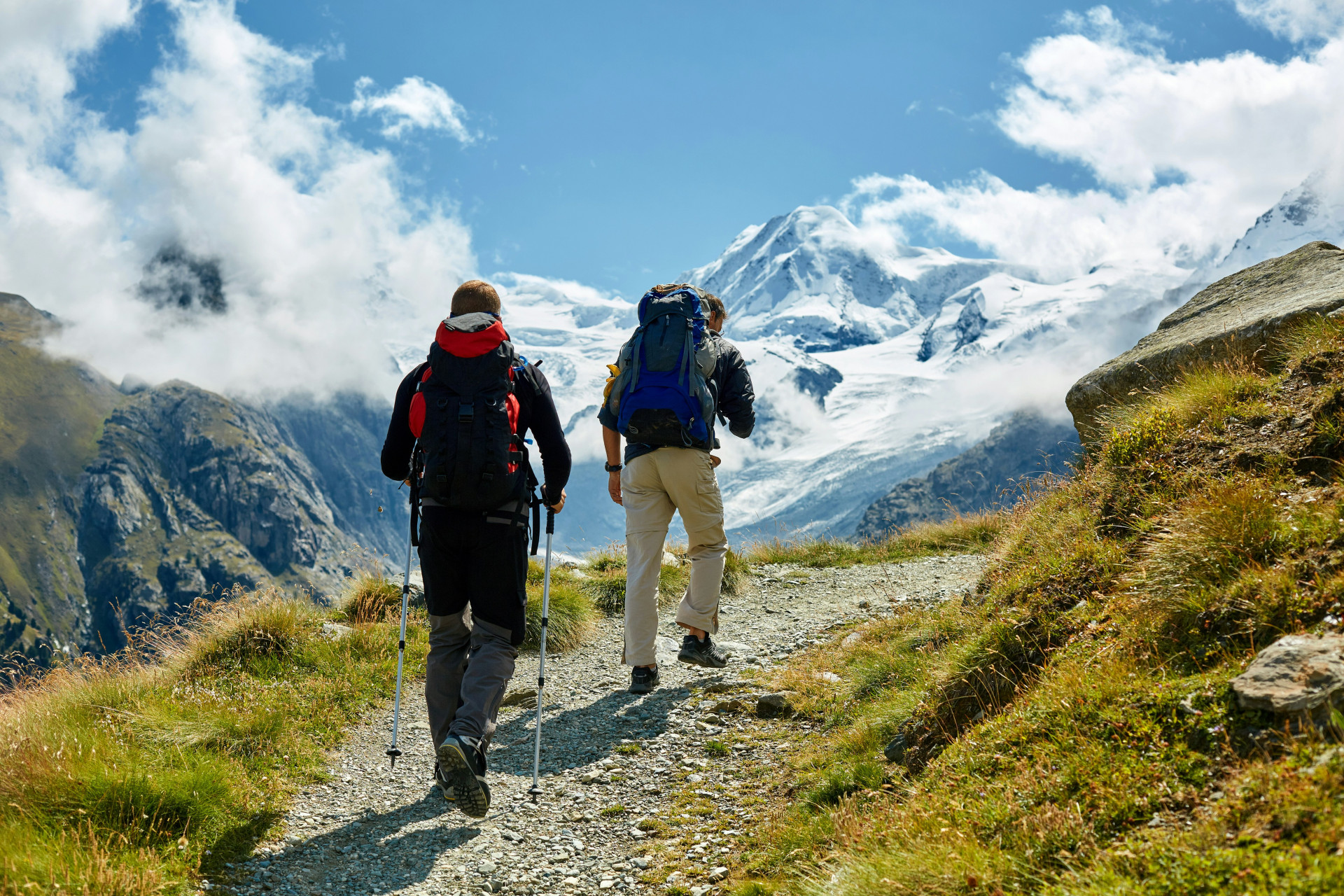
A long hike through the great outdoors takes more than sturdy boots and a sense of adventure. If you want to enjoy the trail without sore legs, aching shoulders, or blisters, it’s worth preparing your body ahead of time. With the right training, you can build endurance, strength, and balance—making your hiking experience safer and more enjoyable. Here’s how to get ready for your next big adventure.
Start Early and Build Gradually
The most important rule is to start training early. Your body needs time to adapt, especially if you plan to carry a loaded backpack or tackle steep terrain. Begin your preparation 6–8 weeks before your trip, and gradually increase both distance and intensity.
Start with short walks of 2–3 miles a few times a week. Once that feels easy, add distance and elevation—find local trails, hills, or even staircases to climb. As you progress, begin walking with a light pack so your body gets used to the extra weight.
A good goal is to be able to hike 8–12 miles in a day without feeling completely exhausted. That’s roughly what you might cover on a typical day of a multi-day hike.
Læs også:

Strengthen Your Body—Focus on Legs, Back, and Core
While hiking is mostly about walking, strength training is key to preventing injuries and making it easier to carry your pack for hours at a time.
Here are a few simple exercises you can do at home or in the gym:
- Squats and lunges – strengthen your thighs and glutes, which power you up and down hills.
- Step-ups – step onto a bench or stair while wearing a backpack to mimic trail conditions.
- Planks – build core stability, which helps with balance and reduces strain on your back.
- Back extensions – strengthen your lower back to handle the load of your pack.
Do these exercises 2–3 times per week, focusing on good form rather than heavy weights. Hiking fitness is about endurance and stability, not bulk.
Train with Your Backpack—But Avoid Overdoing It
As your trip approaches, start training with the backpack you plan to use. Begin with a light load and gradually increase the weight until it matches what you’ll carry on the trail.
This helps you fine-tune the fit, adjust straps, and get your shoulders and hips used to the pressure. You’ll also discover any discomfort or chafing early—so you can fix it before you’re miles from the trailhead.
Build Your Endurance—Cardio Matters
Hiking is an endurance activity, so cardiovascular fitness is essential. You can improve it through brisk walking, running, cycling, swimming, or using a stair climber.
Aim to be able to move for several hours without getting winded. You don’t need to train at high intensity—consistent, moderate activity that raises your heart rate will make a big difference.
Don’t Forget Flexibility and Balance
When you’re hiking over uneven ground, flexibility and balance are crucial. Stretch your hips, calves, and hamstrings regularly to stay limber and reduce the risk of strains.
Try balance exercises like standing on one leg, using a balance board, or walking on uneven surfaces. These movements strengthen the small stabilizing muscles in your feet and ankles, helping you stay steady on rocky or slippery trails.
Recovery and Injury Prevention
Even the best training plan only works if your body has time to recover. Make sure you get enough sleep, eat a balanced diet, and stay hydrated. If you feel pain in your knees, hips, or feet, take a break and let your body rest.
Investing in a good pair of hiking boots that fit your feet and match your terrain is also essential. Break them in well before your trip to avoid blisters and sore feet.
Ready to Hit the Trail—With Strength and Confidence
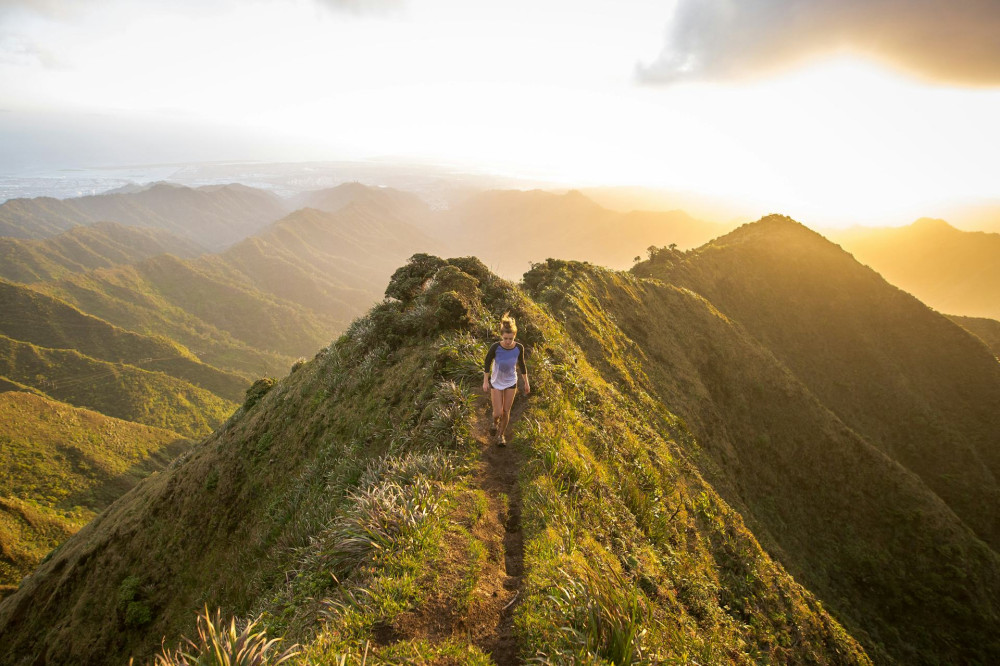
After weeks of consistent training, you’ll notice the difference: more energy, better balance, and greater confidence on the trail. Preparation isn’t just about being able to finish your hike—it’s about enjoying every step of it.
With a strong, well-prepared body, you’ll have the stamina to take in the views, breathe in the fresh air, and fully experience the beauty of the outdoors.
Læs også: