Hunting in Denmark: Differences in Methods, Nature, and Experiences

Hunting in Denmark: Differences in Methods, Nature, and Experiences
Hunting has been an integral part of Danish culture for centuries – from royal parforce hunts in the 17th century to today’s more democratic and conservation-oriented practices. In modern Denmark, hunting is not only a pastime but also a way to manage wildlife populations and connect with nature. Yet, hunting in Denmark differs in many ways from what American hunters might know. The landscapes are smaller, the game species fewer, and the traditions deeply rooted in community and respect for the environment. Here’s an overview of the main hunting methods in Denmark and what makes them unique.
Stalking – the art of patience
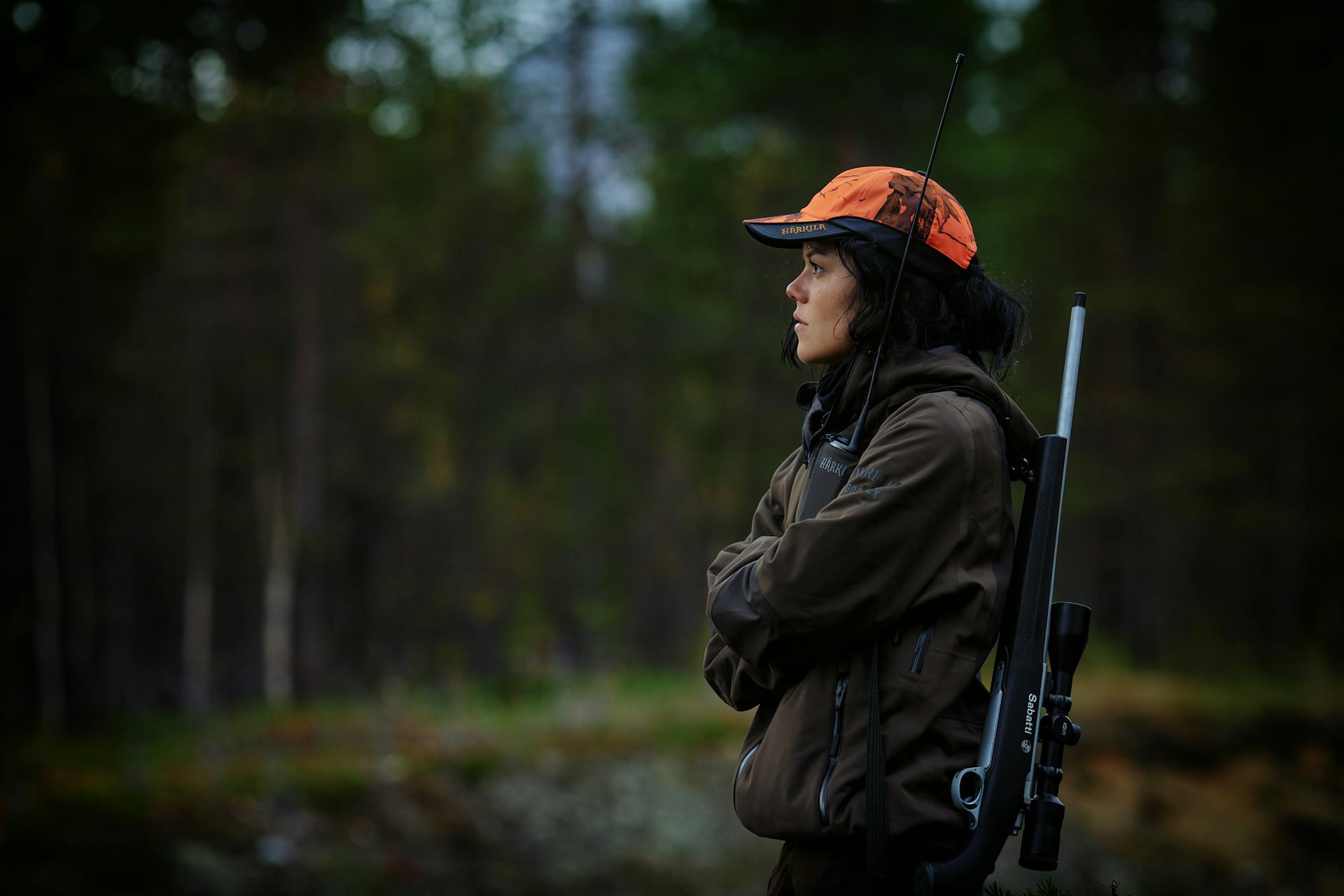
Stalking, known in Danish as pürschjagt, is one of the most traditional and challenging forms of hunting. The hunter moves quietly through forests or open fields, trying to get close enough to deer—typically roe deer, red deer, or fallow deer—for a clean shot. Success depends on reading the wind, recognizing tracks, and understanding animal behavior.
This form of hunting often takes place at dawn or dusk, when the forest is alive with subtle sounds and movement. For many Danish hunters, the experience is as much about being part of nature’s rhythm as it is about harvesting game. Sitting still in the morning mist, listening to the forest awaken, is a moment of calm and connection that many cherish.
Driven hunts – teamwork and tradition
Driven hunts, or trykjagt, are social events that bring together groups of hunters and dog handlers. The goal is to gently drive game—such as roe deer, foxes, or hares—toward stationary shooters positioned along a line. Safety, coordination, and communication are essential.
These hunts are especially popular in the fall and winter months and often end with a shared meal or gathering. The camaraderie is central: the conversations, the planning, and the shared respect for the animals and the land. For many Danes, driven hunts represent a blend of tradition, cooperation, and outdoor enjoyment.
Waterfowl hunting – along coasts and wetlands
With its long coastline, numerous lakes, and marshlands, Denmark offers excellent opportunities for duck and goose hunting. Hunters set up in reed hides or along coastal meadows before sunrise, using decoys and calls to attract birds flying in from feeding grounds.
This type of hunting requires knowledge of migration patterns and a deep respect for the delicate balance of wetland ecosystems. The experience is atmospheric and often described as meditative—waiting in the half-light, hearing the distant wingbeats of approaching flocks, and feeling the pulse of the natural world.
Small game hunting – fields and farmlands
Small game hunting has long been part of rural Danish life. It typically takes place on farmland, heath, or meadow, targeting species such as hares, pheasants, partridges, and foxes. Well-trained dogs play a vital role, flushing out game and retrieving it after the shot.
This form of hunting is valued for its variety and the close partnership between hunter and dog. Watching a dog work the field with precision and enthusiasm is one of the great joys of the hunt. It’s a tradition that combines skill, patience, and appreciation for the countryside.
Bowhunting – a quiet challenge
Bowhunting is relatively new in Denmark but growing in popularity. It requires special certification and a high level of skill, as shots are taken at very short distances—often less than 20 yards. Precision, patience, and ethical awareness are key.
Many bowhunters are drawn to the intensity and simplicity of this method. The need to get close to the animal and the quiet focus it demands create a deep sense of connection to nature. It’s a modern expression of an ancient practice.
Læs også:

Nature as the common thread
No matter the method, nature is at the heart of Danish hunting. It’s not just about taking game but about understanding and caring for the ecosystems that sustain it. Many hunters participate in habitat management, feeding programs, and conservation efforts to ensure healthy wildlife populations and sustainable hunting practices.
For some, hunting is a way to find peace and mindfulness outdoors. For others, it’s about tradition, craftsmanship, and community. What unites them is a shared respect for nature and the experience of being part of it.
A tradition evolving
Hunting in Denmark continues to evolve. New regulations, a growing focus on ethics and sustainability, and an increasing number of women and young hunters are reshaping the culture. Many see hunting as a way to reconnect with food sources and the natural world in an age of urban living.
Whether it’s stalking deer in the forest, waiting for ducks by the water, or joining a winter driven hunt, hunting in Denmark remains a living tradition—one that blends nature, culture, and experience across generations.
Læs også: