Language in Development: How Children Learn to Explain, Negotiate, and Express Emotions

Language in Development: How Children Learn to Explain, Negotiate, and Express Emotions
When young children begin to talk, a new world opens up—not just of words, but of possibilities for understanding, explaining, and sharing experiences. Language quickly becomes more than a way to name things; it becomes a tool for building relationships, solving conflicts, and expressing emotions. But how do children actually develop this ability to use language as a social and emotional instrument?
From Words to Meaning
A child’s first words often focus on what’s closest to them: “mama,” “ball,” “more.” But by the age of two or three, children start using language to explain and connect ideas. They might say, “I’m crying because I fell,” showing that they can link cause and effect and express feelings through words. This is a major step—language becomes a way to make sense of the world.
At the same time, children begin to understand that words can be used differently depending on the situation. They learn that you speak one way to a parent and another way to a friend, and that tone and body language matter. This flexibility in communication forms the foundation for later social skills.
Negotiating Through Words
By preschool age, language becomes a tool for negotiation. Children use it to get what they want, find compromises, and understand others’ perspectives. A phrase like “you can have it after me” shows that a child is beginning to think beyond their own needs and to find fair solutions.
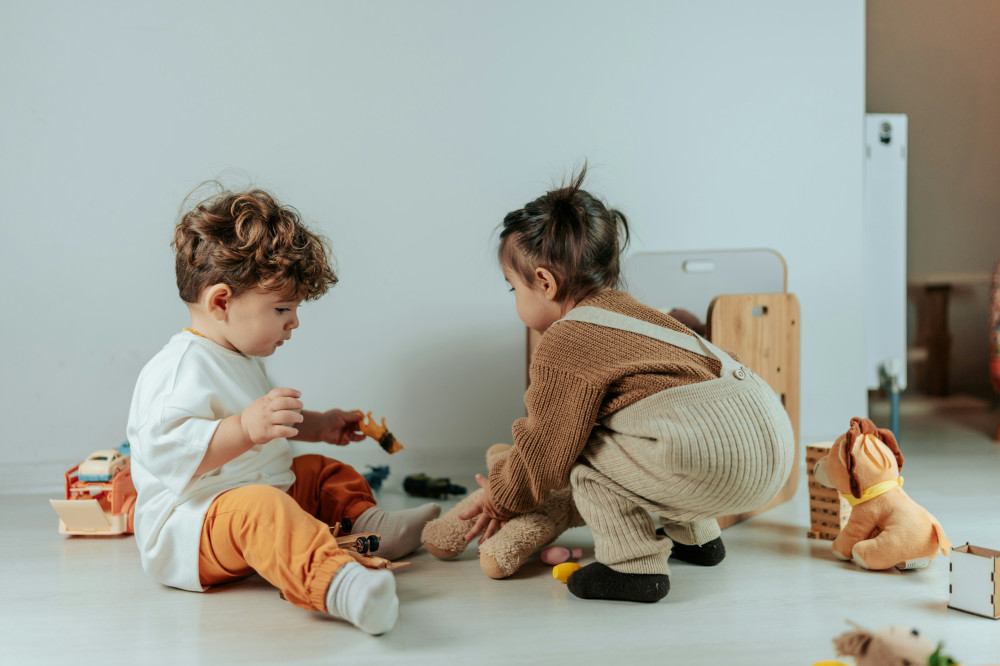
Negotiation requires both vocabulary and an understanding of social rules. Children practice these skills through play, where roles and rules are constantly being discussed and adjusted. In these moments, they learn to argue, listen, and adapt—skills that will serve them well in school and in relationships later in life.
Putting Feelings Into Words
Being able to name emotions is one of the most powerful uses of language. When a child can say “I’m mad” instead of hitting, or “I’m sad” instead of withdrawing, it opens the door to communication and understanding. Research in child development shows that children who learn emotional vocabulary early often find it easier to regulate their feelings and connect with others.
Parents, caregivers, and teachers play a key role here. When adults put words to a child’s experiences—“You seem disappointed that playtime is over”—they teach that emotions can be described and shared. This builds trust and strengthens empathy.
Language as a Mirror of Growth
Language development isn’t just about grammar or pronunciation; it’s about using words meaningfully. A child who can explain why something feels unfair or how a friend might be feeling is showing both cognitive and emotional maturity.
That’s why it’s so important to give children time and space to talk—not just to learn words, but to learn to think and feel through language. Conversations at the dinner table, bedtime stories, and playful word games all help children develop their ability to express themselves.
When Language Becomes Identity
As children grow older, language becomes a way to show who they are. They experiment with tone, slang, and humor, using language to connect with friends and express individuality. This is a natural part of development—language becomes a reflection of personality and identity.
Supporting children in this process isn’t about correcting them, but about listening and showing curiosity. When adults take an interest in how children express themselves, it strengthens both their language and their relationship.
Læs også:

A Lifelong Tool
Language continues to evolve throughout life, but its foundation is built in childhood. The ability to explain, negotiate, and express emotions isn’t innate—it’s learned through interaction, patience, and countless conversations. The more opportunities children have to use language actively, the better they become at understanding both themselves and others.
Supporting children’s language development is therefore more than teaching words—it’s an investment in their social and emotional well-being.
Læs også: