When Play Becomes Learning: Cooperation, Turn-Taking, and Shared Rules in Children’s Play

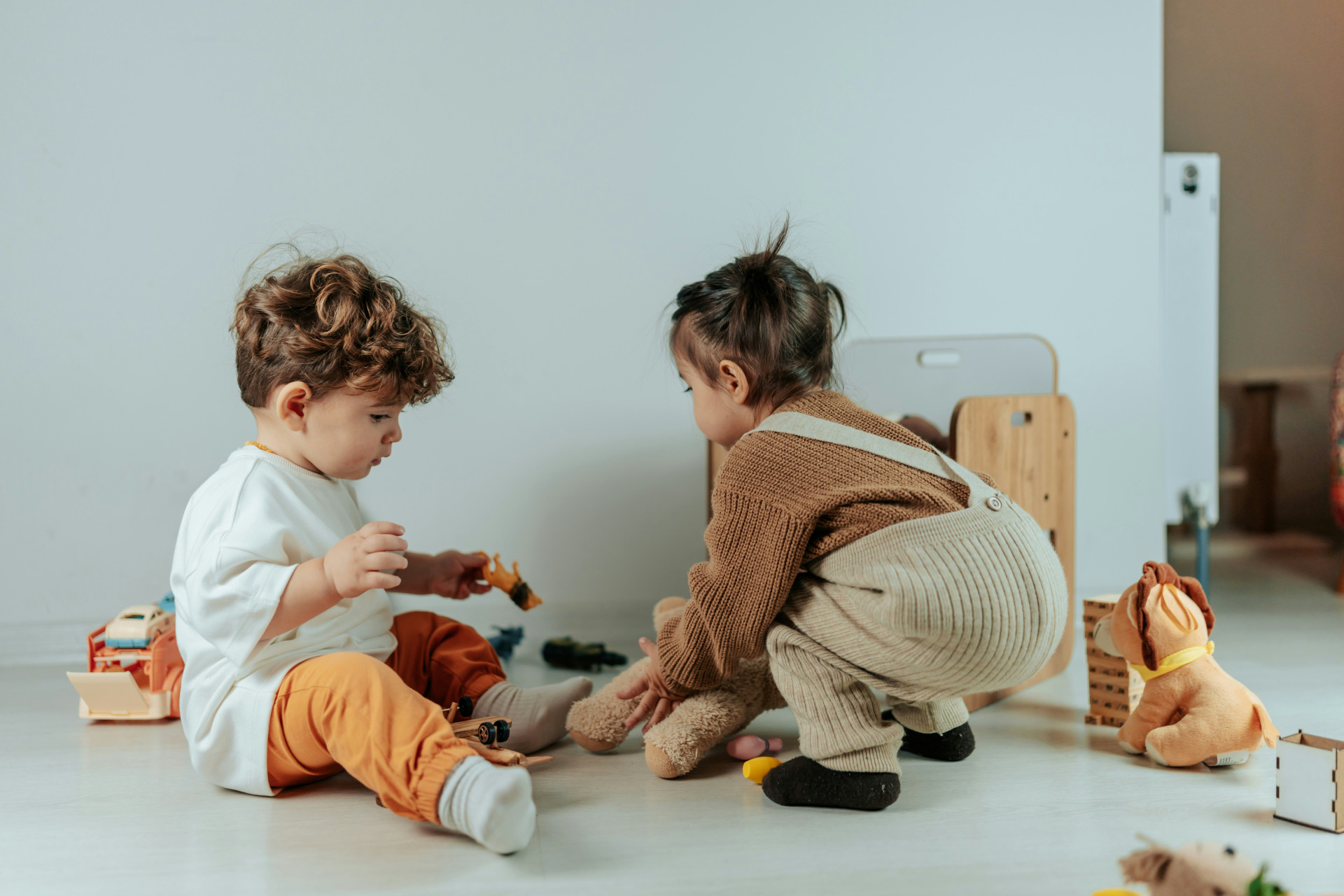
When Play Becomes Learning: Cooperation, Turn-Taking, and Shared Rules in Children’s Play
When children play, it may look like simple fun — but beneath the laughter and imagination lies a powerful learning process. Through play, children practice cooperation, learn to take turns, and follow shared rules. They develop empathy, communication skills, and the ability to solve conflicts. In other words, play is not just recreation; it’s a cornerstone of children’s social and emotional growth.
Play as a Social Learning Space
Play offers a safe environment where children can explore social roles and relationships. Whether they’re building a fort, playing tag, or pretending to run a restaurant, they must agree on who does what and how the game unfolds. This requires negotiation, flexibility, and understanding others’ perspectives.
Research in child development consistently shows that children who engage in frequent social play tend to have stronger social skills. They become better at reading body language, recognizing emotions, and responding appropriately — abilities that are essential for success in school and later in life.
Turn-Taking: A Foundation for Fairness
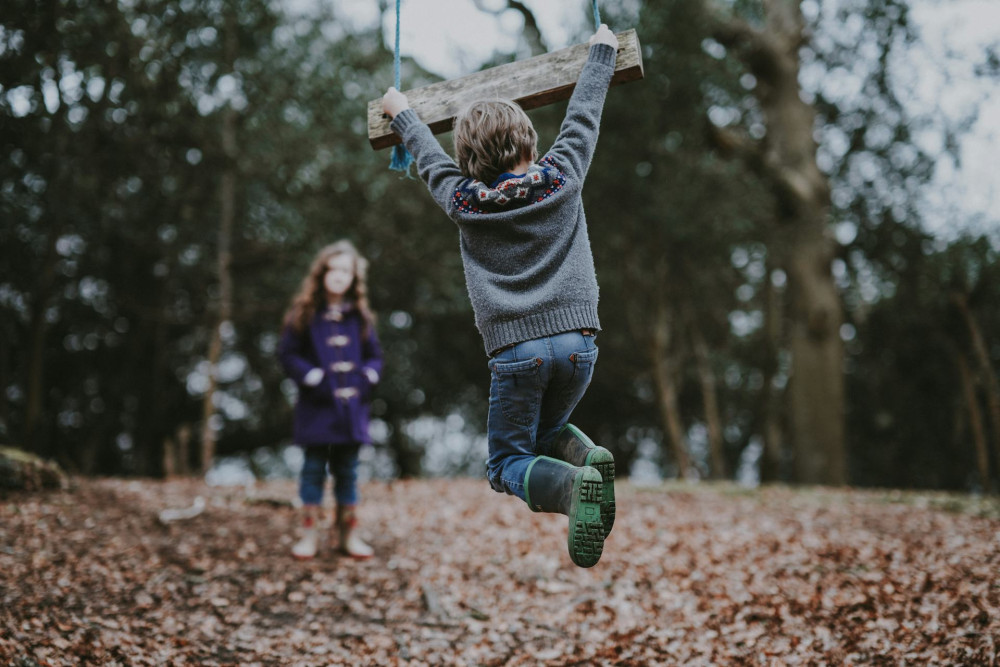
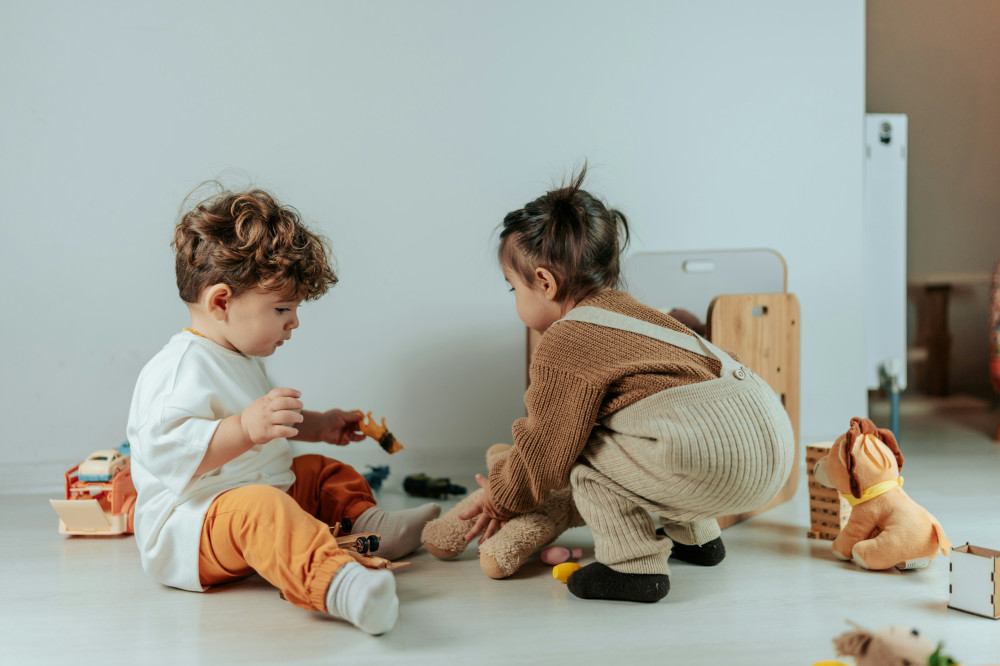
Waiting for one’s turn might seem like a small thing, but for young children, it’s a big step toward understanding fairness and cooperation. In play, turn-taking happens naturally: one child throws the ball, another catches; one speaks, the others listen. These moments teach children that everyone’s participation matters.
Adults can support this learning by naming and reinforcing turn-taking: “It’s Maya’s turn now, and then it will be yours.” This helps children see that fairness and patience are part of how we share space — both in play and in everyday life.
Shared Rules Create Security
Rules in play aren’t just about control; they create structure and predictability, helping children feel safe and included. When everyone knows the rules, it’s easier to join in and take initiative.
At the same time, children learn that rules can be flexible. Maybe they decide that “you can’t be tagged if you’re on the slide,” and suddenly the game evolves. These small negotiations teach children about collaboration, compromise, and even the basics of democratic decision-making.
Læs også:
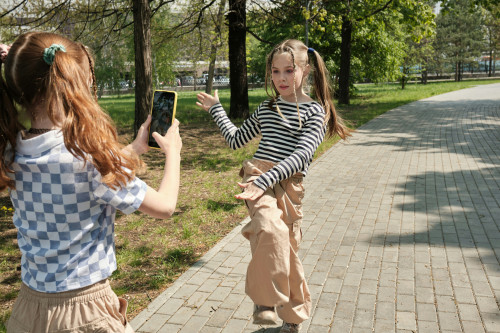
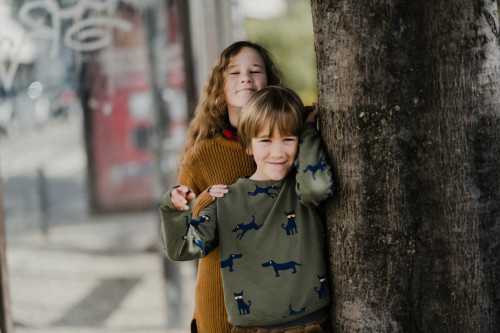
Conflicts as Opportunities to Learn
No playtime is free from disagreements. Who gets to be “it”? Who decides the rules? Conflicts are natural — and they’re also valuable learning moments. When children work through disagreements, they practice expressing their opinions, listening to others, and finding solutions that work for everyone.
Adults don’t always need to step in right away. Sometimes, the best support is to guide children toward solving the problem themselves: “What could you do to make it fun for both of you?” This approach helps children build confidence in handling differences and strengthens their ability to cooperate.
The Adult’s Role in Play
Although play belongs to children, adults play an important part in making it meaningful. By showing interest, asking open-ended questions, and joining in on children’s terms, adults can deepen both connection and learning.
The goal isn’t to direct the play, but to create the conditions for it to flourish — time without interruptions, open-ended materials, and a space that invites imagination. When children feel that their play is valued, their curiosity and creativity thrive.
Play as the Foundation for Lifelong Learning
The social skills children develop through play — cooperation, empathy, and respect for shared rules — extend far beyond the playground. These are the same skills that support teamwork in school, collaboration in the workplace, and participation in community life.
That’s why play deserves a central place in children’s daily lives — not as a break from learning, but as a vital part of it. When play becomes learning, children don’t just gain knowledge; they build the understanding and relationships that will guide them throughout their lives.
Læs også: