Organize Kids’ Clothes – Make Everyday Life Easier for Both Children and Adults

Organize Kids’ Clothes – Make Everyday Life Easier for Both Children and Adults
Between school, sports, and family activities, mornings can easily turn chaotic. Piles of clothes on the floor, drawers that won’t close, and missing socks can add unnecessary stress to the day. But with a few simple systems and some planning, you can bring order to the chaos and make mornings smoother for everyone. Here’s how to organize your kids’ clothes in a way that works for your family.
Create Structure in the Closet
The first step is to set up a system that fits your child’s age and daily routine. Younger kids need simplicity, while older ones can take more responsibility for their own clothes.
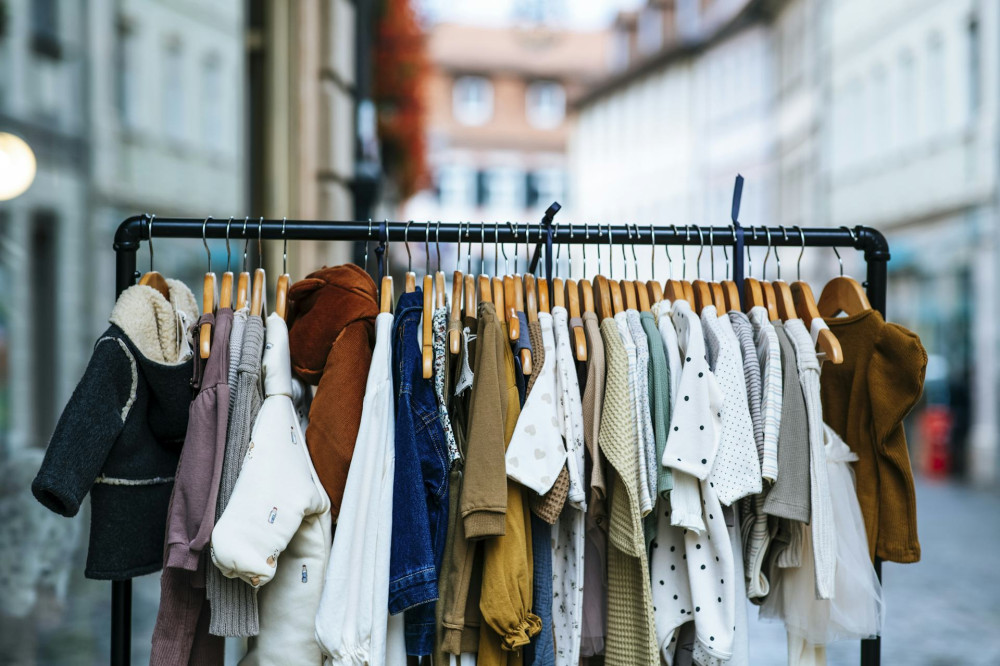
- Sort by category – designate specific spots for underwear, socks, everyday wear, and special outfits. Use bins or drawers with clear labels or pictures for non-readers.
- Plan by the week – some parents prepare outfits for the entire week in labeled bins or hanging organizers. It saves time in the morning and reduces outfit debates.
- Keep things at kid height – hang or store clothes where your child can reach them. This encourages independence and helps them learn to put things away.
A good system doesn’t have to be perfect—it just needs to make it easy to find and return items.
Læs også:



Declutter and Rotate Regularly
Kids grow fast, and what fit last season might not fit now. Regularly going through their clothes helps keep things manageable and ensures you only keep what’s useful.
- Make three piles: keep, donate, and store for siblings or future use.
- Check condition and size – worn-out or too-small items can be donated, repurposed, or used as play clothes.
- Store seasonal items – pack away winter coats in summer and vice versa. This frees up space and keeps the closet organized.
A quick sort every few months prevents clutter from building up and helps you see what your child actually needs.
Simplify the Laundry Process
Laundry can feel endless in a household with kids, but a few small changes can make it more manageable.
- Use multiple hampers – one for lights, one for darks, and one for sports or delicate items. It saves sorting time later.
- Get kids involved – even toddlers can learn to put dirty clothes in the right basket.
- Fold and put away right away – it only takes a few minutes and prevents clean clothes from piling up.
A consistent laundry routine helps everyone know what’s clean, what’s not, and where everything belongs.
Build Habits That Stick
Organization isn’t just about storage—it’s about routines. When everyone in the family knows the system, it’s easier to keep things tidy.
- Set a regular day to check for missing socks, outgrown clothes, or needed replacements.
- Make it a habit to lay out clothes the night before.
- Praise kids when they help—it builds motivation and turns organization into teamwork.
The more natural these habits become, the less time you’ll spend searching for missing shirts in the morning.
Think Sustainable and Budget-Friendly
An organized wardrobe also makes it easier to shop smart and reduce waste. When you know what you already have, you’re less likely to buy duplicates.
- Choose quality basics – invest in durable jeans, jackets, and shoes that can handle everyday wear.
- Swap or hand down – trade clothes with friends, join local parent groups, or shop secondhand.
- Repair instead of replace – small holes or missing buttons can often be fixed in minutes.
These habits save money, reduce waste, and teach kids to value their belongings.
A Calmer Start for the Whole Family
When kids’ clothes are organized, mornings run more smoothly, kids become more independent, and parents gain extra time and peace of mind. It’s not about creating a picture-perfect home—it’s about finding practical solutions that make daily life easier.
With a little planning and a few consistent routines, the clothing chaos can turn into calm—and everyone in the family will feel the difference.
Læs også: