Create a Learning Culture in Your Family – Make Curiosity a Shared Value


Create a Learning Culture in Your Family – Make Curiosity a Shared Value
In a world where information changes faster than ever, the ability to learn has become one of the most valuable life skills — not just in school or at work, but at home too. Building a learning culture in your family isn’t about turning your living room into a classroom. It’s about creating an environment where curiosity, reflection, and the desire to understand the world are part of everyday life.
What Does It Mean to Have a Learning Culture at Home?
A family learning culture means seeing learning as something that happens all the time — not just during homework or formal lessons. It’s about asking questions, exploring new topics, and sharing experiences that broaden everyone’s perspective. When children see their parents learning new things, they understand that learning is a lifelong journey.
It can start with small, everyday moments: wondering why bread rises, how a rainbow forms, or what happens when you plant a seed. The goal isn’t to have all the answers, but to show that finding them together is exciting.
Læs også:



Make Room for Curiosity
Curiosity thrives when there’s time and space to ask questions. In busy American households, that can be a challenge, but small changes can make a big difference.
- Set aside time for conversation — maybe at dinner, during a walk, or on the drive home from school. Ask, “What’s something new you learned today?” or “What’s something you’ve been wondering about lately?”
- Show genuine interest in each other’s experiences. When kids feel that their thoughts are taken seriously, they’re more likely to share and explore.
- Create a safe space for mistakes. Learning takes courage — and failure is part of the process. When parents laugh at their own missteps and try again, children learn that mistakes are opportunities, not setbacks.
Learning Through Experiences
Learning doesn’t only happen through books or screens. It happens when we experience, experiment, and reflect. Everyday life offers endless opportunities for discovery.
- Start small projects together — build a birdhouse, try a kitchen science experiment, or plan a weekend trip to explore a topic you’re curious about.
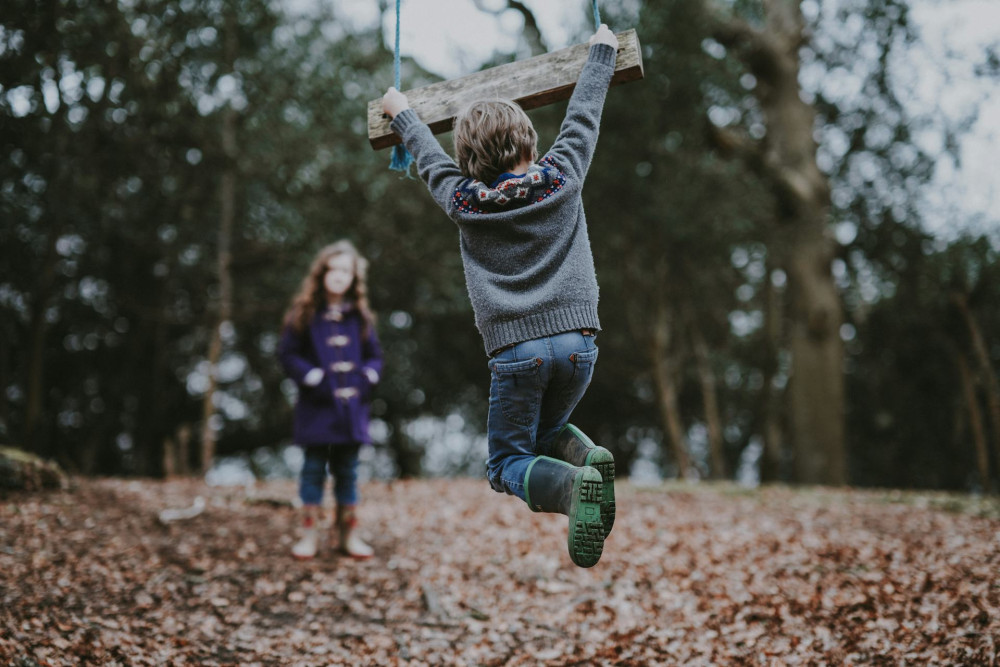
- Use nature as your classroom. A hike in a national park or a walk around the neighborhood can turn into lessons in biology, geography, and teamwork.
- Involve kids in practical tasks. Cooking, budgeting, or planning a family event all teach valuable skills when you take the time to explain and explore together.
Parents as Role Models
Children learn more from what we do than from what we say. When parents show curiosity — by reading, asking questions, or trying new things — it becomes part of the family’s identity.
Share what you’re learning yourself — maybe a new hobby, a podcast, or a professional skill. Talk about why it interests you and what you’ve gained from it. This shows that learning doesn’t stop when you grow up; it evolves.
Create Family Learning Rituals
Simple rituals can make learning a natural part of family life. Try:
- A weekly “curiosity night,” where you watch a documentary, play a trivia game, or explore a topic together.
- A shared “question journal,” where everyone writes down things they want to learn more about.
- A family project a few times a year — like growing vegetables, learning a new language, or building something together.
When learning becomes something you do as a family, it strengthens both your relationships and your collective sense of wonder.
Learning as a Family Value
Ultimately, creating a learning culture is about values. When curiosity, openness, and reflection become part of your family’s identity, your children carry those values into the world. They learn that knowledge isn’t something you simply receive — it’s something you seek, share, and grow together.
A family that values learning doesn’t just raise smart kids. It raises engaged, empathetic, and capable people who are ready to keep exploring — no matter where life takes them.
Læs også: