Play as Learning – How Play Strengthens Children’s Imagination and Problem-Solving Skills


Play as Learning – How Play Strengthens Children’s Imagination and Problem-Solving Skills
Play is not just fun and games – it’s one of the most powerful ways children learn. Through play, kids explore the world, test ideas, and develop both social and cognitive skills. It’s a space where imagination and reality blend, and where children can experiment freely without fear of failure. In a time when screens and structured activities often dominate children’s schedules, it’s worth remembering how essential unstructured play is for healthy development.
Play as a Driver of Imagination and Creativity
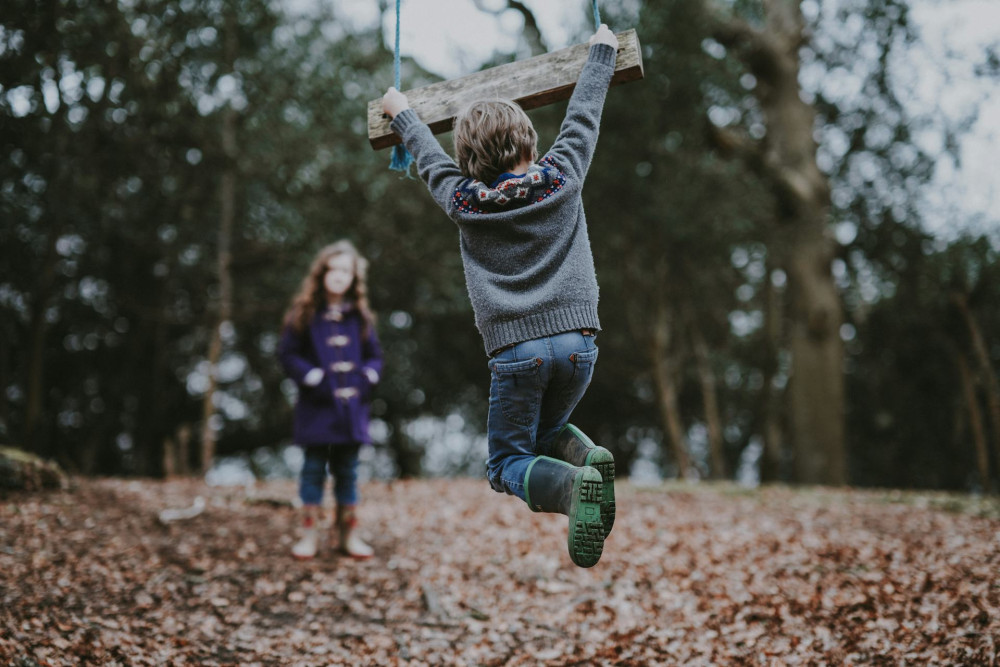
When a child builds a fort out of blankets or pretends the living room is a spaceship, they’re doing more than entertaining themselves – they’re practicing creative thinking. Imaginative play allows children to invent their own rules and stories, strengthening their ability to see new connections and possibilities. Research from child development experts shows that children who engage in free play often become better at finding alternative solutions to problems later in life.
Creativity isn’t just about art or invention; it’s about flexible thinking. In play, children learn to adapt when things don’t go as planned and to come up with new ways to reach their goals. These are the same mental skills that support innovation and resilience throughout life.
Læs også:

Problem-Solving Through Play
Play is full of small challenges that require problem-solving. When a block tower collapses, it has to be rebuilt. When two children want the same toy, they must negotiate and share. These moments teach kids how to analyze situations, compromise, and collaborate.
In pretend play, children practice understanding other people’s perspectives – a key part of empathy and social problem-solving. In constructive play, such as building with LEGO bricks or designing a marble run, they learn to plan, experiment, and adjust their strategies. These are the same foundational skills used later in math, science, and teamwork.
The Adult’s Role in Play
Although play belongs to the child, adults play an important supporting role. It’s not about directing the play, but about creating an environment where it can flourish. When adults show genuine interest, ask open-ended questions, and join in on the child’s terms, play becomes deeper and more meaningful.
A simple “What do you think will happen if we try this?” can spark reflection and experimentation. At the same time, the child learns that their ideas matter – building confidence and curiosity to explore further.
Everyday Play – No Fancy Toys Required
Play doesn’t need expensive toys or elaborate setups. A cardboard box can become a rocket ship, a store, or a secret hideout. A walk around the neighborhood can turn into a treasure hunt, and cooking dinner can become a sensory experiment in taste and color. What matters most is that play has space – both in time and in mindset.
When children have the freedom to be bored, creativity often follows. Those unstructured moments, when there’s no set plan, are when imagination truly takes off. Giving kids time to invent their own fun is one of the best gifts adults can offer.
Play as Learning – Even in School
Across the U.S., many early childhood educators are embracing play-based learning. Through playful activities, children absorb knowledge in ways that feel natural and motivating. Math can be learned through games, language through storytelling and role-play, and science through hands-on experiments that invite curiosity.
When learning is connected to play, it becomes not only more enjoyable but also more effective. Children remember best what they’ve experienced with their bodies, emotions, and imagination engaged.
An Investment in the Future
Making room for play is an investment in children’s lifelong skills. Through play, they learn to think independently, collaborate, take initiative, and handle unexpected challenges. These are abilities that extend far beyond childhood – and are essential in a world that’s constantly changing.
So the next time you see a child deeply absorbed in play, remember: it’s not just fun. It’s learning in its most natural and powerful form.
Læs også: