Green Farewell: How to Plan a Sustainable Funeral

Green Farewell: How to Plan a Sustainable Funeral
More Americans are beginning to think about how their final farewell can reflect the values they lived by — including care for the planet. A sustainable funeral isn’t just about reducing environmental impact; it’s also about creating a meaningful, personal ceremony that honors life while respecting nature. Here’s a guide to planning a green farewell, whether for yourself or a loved one.
What Does a Sustainable Funeral Mean?
A sustainable funeral aims to minimize environmental harm at every stage — from the choice of casket or urn to transportation, flowers, and memorial arrangements. It’s about making thoughtful decisions that align with both personal values and ecological responsibility.
There’s no single definition of a “green” funeral. What matters most is making conscious choices that feel right for your family and the person being remembered.
Choose Eco-Friendly Materials
One of the most tangible ways to go green is through the materials used. Today, there are many environmentally responsible options:
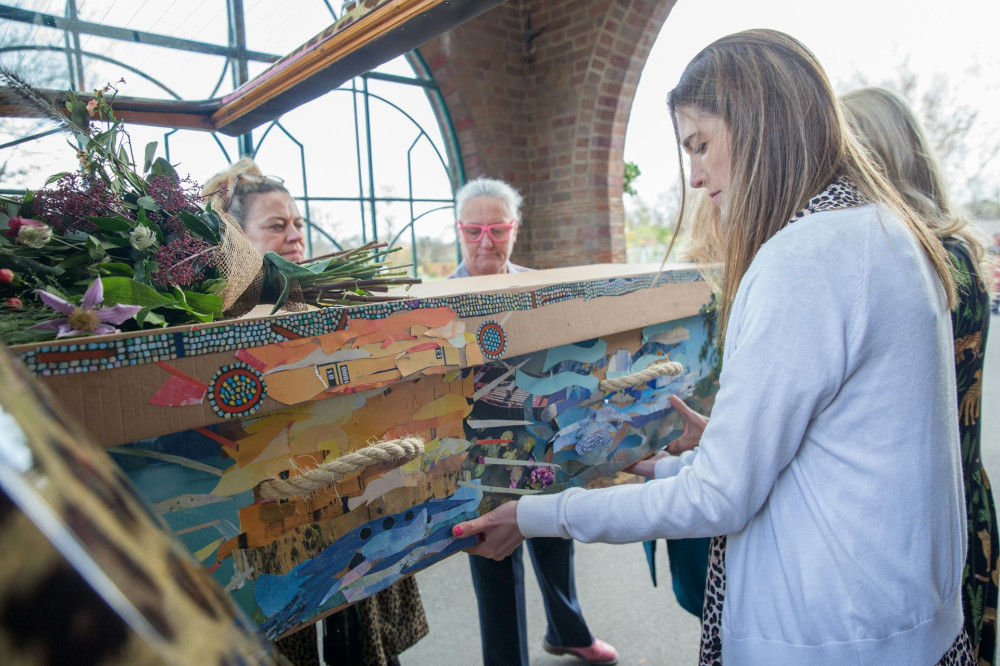
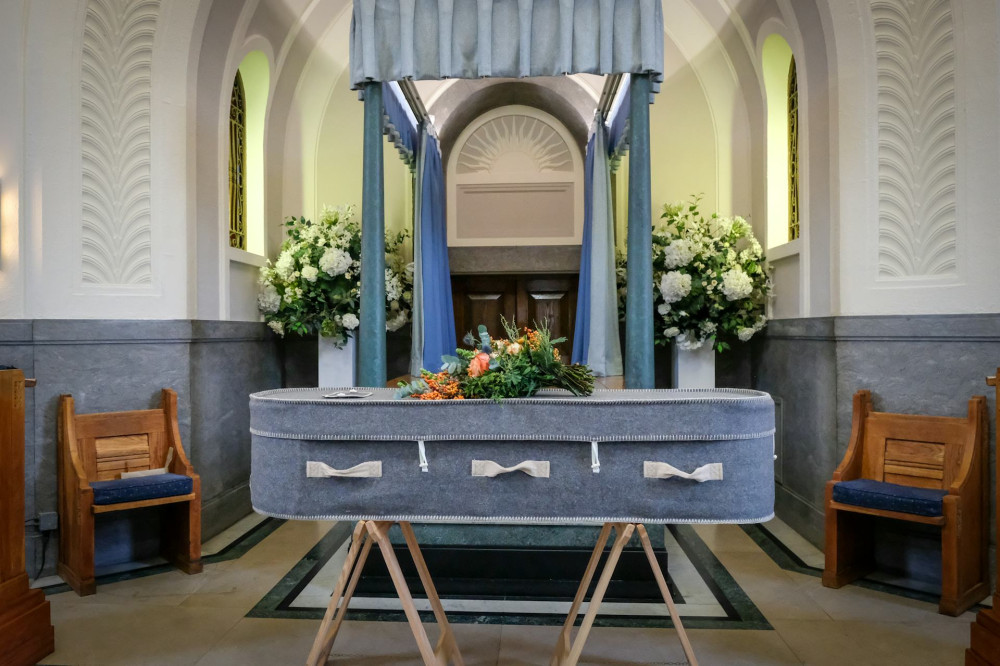
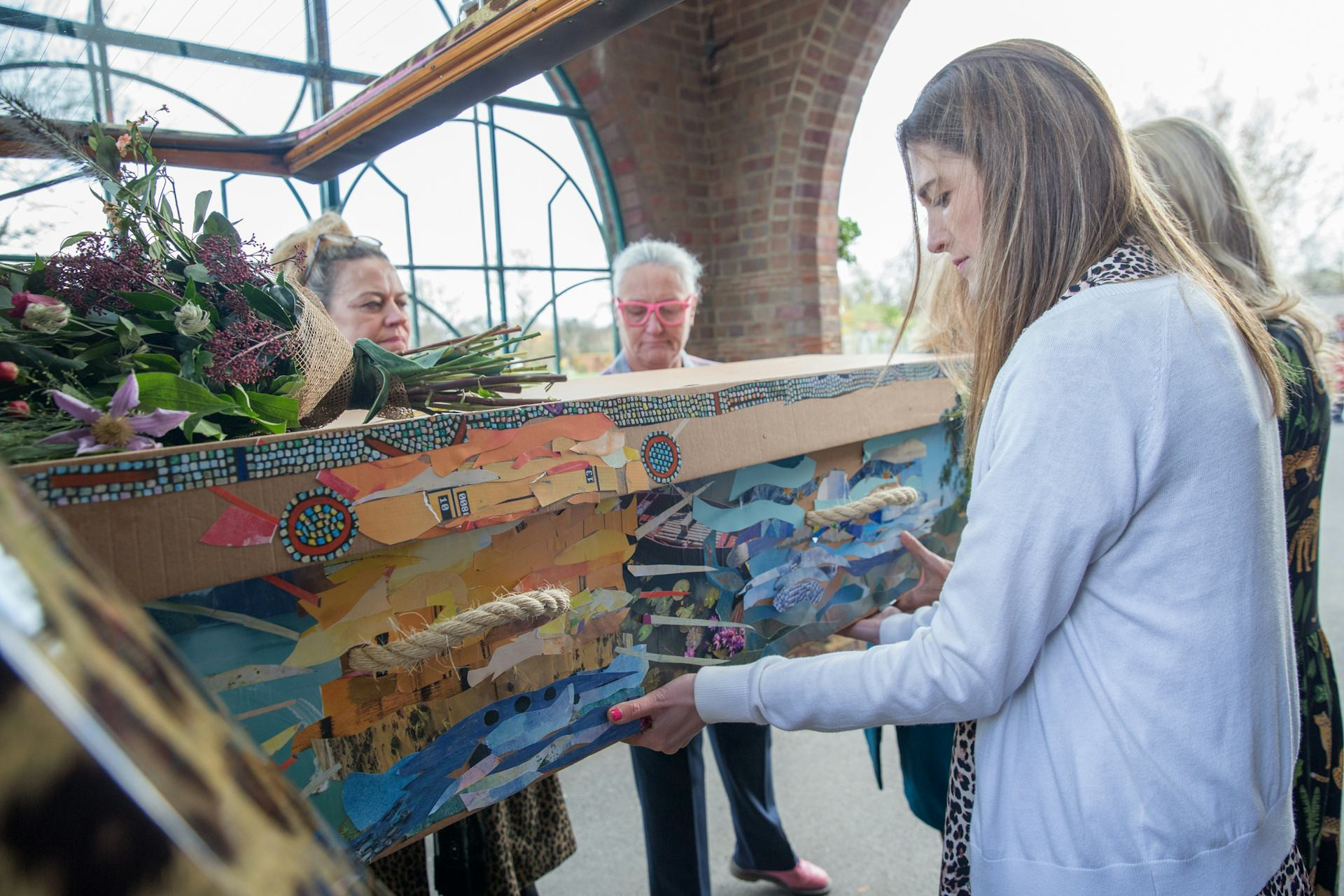
- Caskets made from sustainably sourced wood — look for FSC-certified or locally crafted options without metal parts or toxic finishes.
- Biodegradable urns — made from materials like paper, clay, or cornstarch that naturally break down in the earth or water.
- Natural fabrics — choose clothing and linings made from cotton, linen, or wool instead of synthetic materials.
Many funeral homes in the U.S. now offer green burial packages or can help you find eco-friendly suppliers.
Læs også:


Transportation and Energy Use
Transportation can be another area to reduce emissions. Consider:
- Carpooling or arranging shared transportation for guests.
- Using electric or hybrid vehicles if available through your funeral provider.
- Holding the ceremony and burial or scattering service in the same location to minimize travel.
Cremation, while common, does require energy. Some crematories are investing in more efficient systems or carbon offset programs. You can ask your funeral director about local options, or explore aquamation (alkaline hydrolysis), a water-based alternative that uses less energy and produces fewer emissions.
Flowers, Décor, and Symbolic Gestures
Flowers are a traditional part of many funerals, but imported blooms can carry a heavy carbon footprint. You can make greener choices by:
- Choosing local, seasonal flowers — or even wildflowers or greenery from your own garden.
- Avoiding floral foam and plastic wraps — opt for natural arrangements that can compost easily.
- Donating instead of decorating — invite guests to contribute to an environmental charity or community project in the loved one’s name.
Sustainability doesn’t mean giving up beauty — it’s about finding meaning in simplicity and intention.
A Ceremony in Harmony with Nature
Many families find comfort in holding part or all of the service outdoors — in a forest, meadow, or by the ocean. Nature provides a peaceful setting that encourages reflection and connection.
If you prefer a nontraditional location, check local regulations or work with a green burial council–certified cemetery. Across the U.S., more cemeteries now offer natural burial grounds, where graves are marked with native plants or simple stones, and the landscape is maintained without chemicals.
The Resting Place: A Living Memorial
A green burial site can become a living tribute. Instead of manicured lawns and heavy maintenance, consider:
- Natural burial grounds — where the body or urn is placed directly in the earth without embalming or vaults.
- Wildflower or tree memorials — planting native species that support local ecosystems.
- Community memorial gardens — shared spaces that celebrate life and biodiversity.
These options require less upkeep and allow nature to reclaim the space, turning remembrance into renewal.
Plan Ahead and Talk About It
Discussing end-of-life wishes can be difficult, but it’s one of the most meaningful gifts you can give your loved ones. Talking about sustainability in this context can open conversations about values, legacy, and care for the planet.
You can record your preferences in a funeral plan or ethical will, ensuring your family knows what matters most to you. Planning ahead brings peace of mind and helps avoid confusion later.
A Green Farewell Is Also a Loving Farewell
Choosing a sustainable funeral is about more than environmental responsibility — it’s about honoring life in a way that feels authentic and compassionate. Every small choice, from materials to setting, can make a lasting difference.
A green farewell is a final act of love — for the earth, for those we leave behind, and for the values that shaped our lives.
Læs også: