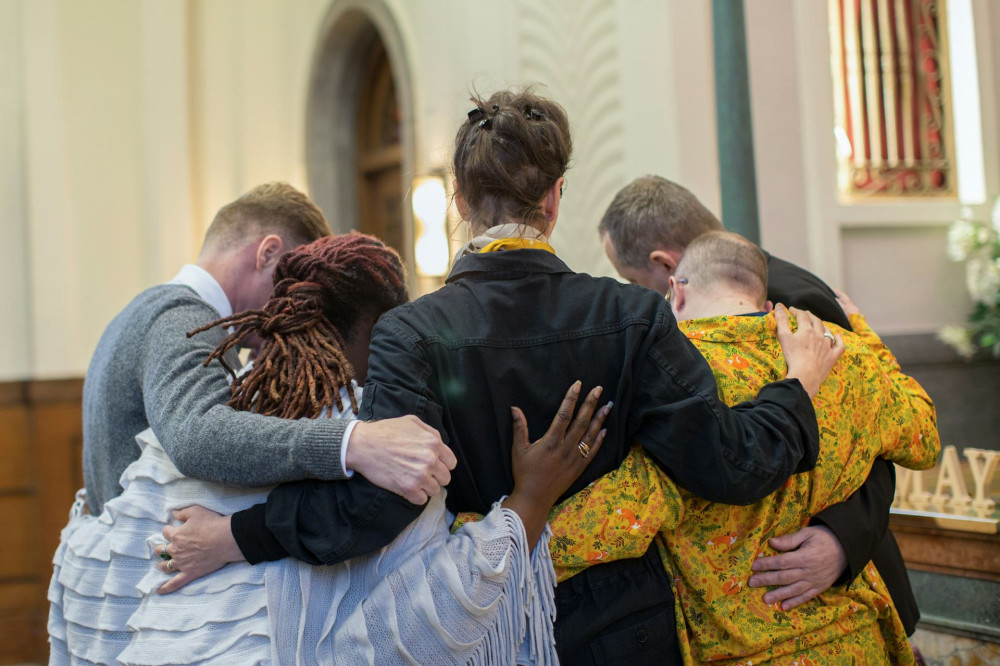
When the Flowers Have Faded – How to Continue Showing Care After a Death

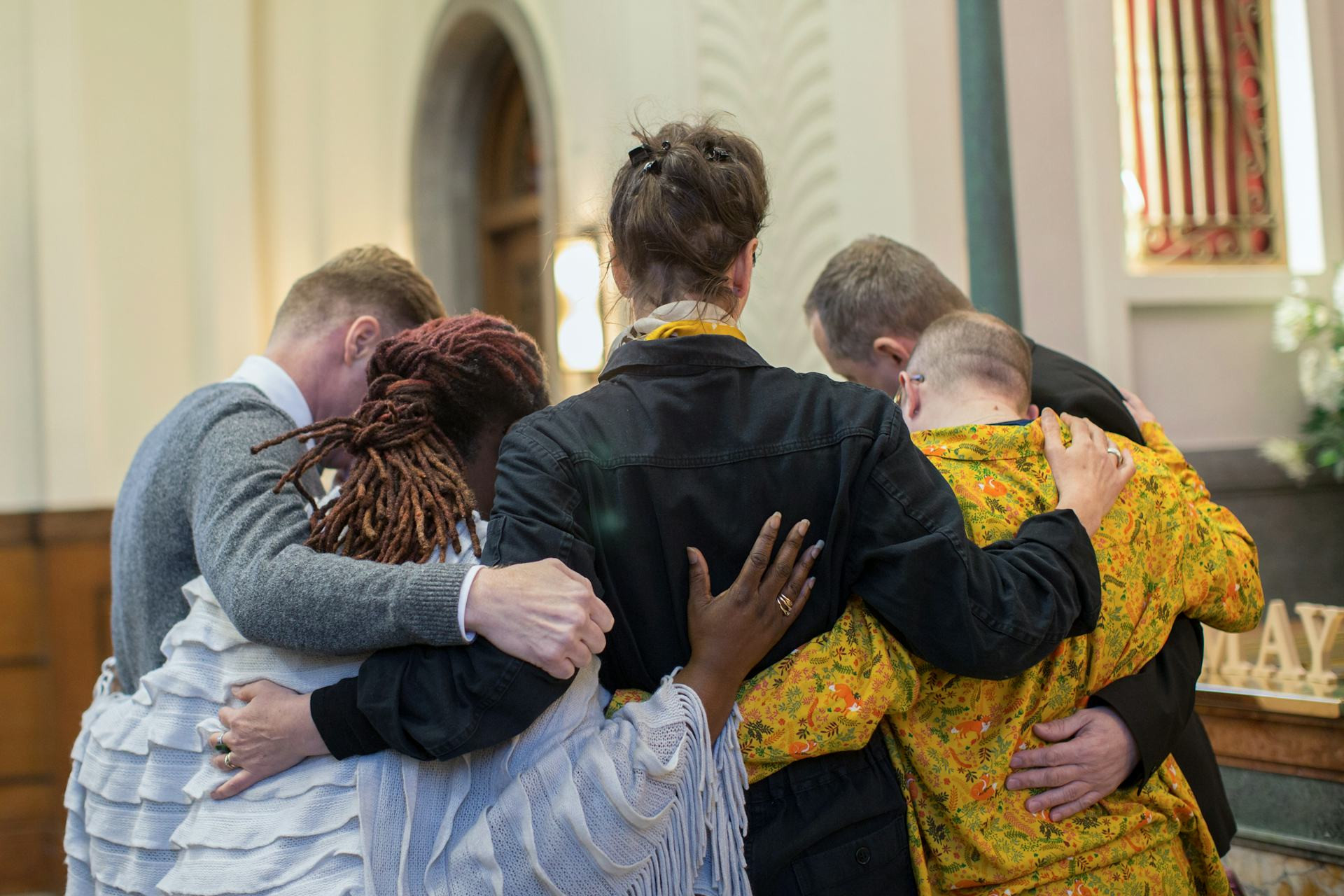
When the Flowers Have Faded – How to Continue Showing Care After a Death
When someone dies, family and friends gather in grief. Flowers are sent, cards are written, and heartfelt words are shared. But after the funeral, when the flowers have faded and daily life begins again, it can be hard to know how to keep showing care — both for those who are grieving and for yourself. Grief doesn’t end when the ceremony is over, and often, the quiet weeks and months that follow are when support matters most.
Here are some ways to continue offering comfort and connection after a loss.
When the Silence Sets In
In the first days after a death, there’s usually a flurry of activity — phone calls, arrangements, visitors, and meals. But once the services are over and everyone returns to their routines, the silence can feel heavy. Many grieving people describe this as the hardest time: the world moves on, but their loss remains.
This is when your care can make a real difference. A phone call, a text, or an invitation to take a walk can remind someone that they’re not alone. You don’t need to have the perfect words — what matters most is that you keep showing up.
Small Gestures That Mean a Lot
Support doesn’t have to be grand or formal. Often, it’s the small, consistent gestures that bring the most comfort.
- Reach out on meaningful dates – Birthdays, anniversaries, and holidays can be especially painful. A short message or card shows that you remember.
- Offer practical help – Cooking a meal, mowing the lawn, or helping with paperwork can ease the burden when energy is low.
- Extend invitations without pressure – Suggest coffee, a walk, or a movie night, but make it clear that it’s okay to decline.
- Listen more than you speak – Many grieving people need to tell their story again and again. Listening patiently is one of the greatest gifts you can give.
The key is sincerity. Grief recognizes genuine care.
When You’re the One Grieving
If you’re the one who has lost someone, it can be hard to know how to take care of yourself. Grief isn’t a straight line — it ebbs and flows, and there’s no “right” way to feel.
Allow yourself to experience whatever emotions come, without judgment. Some days you may want company; other days, solitude. Both are normal.
Many people find comfort in small rituals: lighting a candle, visiting a meaningful place, or writing letters to the person who’s gone. These acts can create a sense of connection and help you find peace in the midst of loss.
Keep Talking About the Person Who Died
People often avoid mentioning the name of the person who died, afraid it will cause pain. But for most grieving people, hearing that name is a relief — it means their loved one isn’t forgotten.
Share memories, photos, or stories. Remembering together can bring warmth and even laughter, reminding everyone that love continues, just in a different form.
Læs også:



Care That Lasts Over Time
Grief changes, but it rarely disappears completely. After a few months, others may assume things are “better,” but for many, that’s when the deeper waves of grief begin. That’s why ongoing care matters.
Set a reminder to check in six months or a year after the loss. A simple message or visit at that time can mean more than you realize.
Finding Meaning After Loss
Over time, some people find comfort in giving their grief a sense of purpose. That might mean volunteering, supporting a cause that mattered to the person who died, or creating something in their memory — a photo book, a garden, or a donation in their name.
Turning grief into action can help transform pain into something that honors love and connection.
When the Flowers Have Faded, Care Lives On
Showing care after a death isn’t about perfect words or grand gestures. It’s about steady presence — quiet, patient, and heartfelt.
When the flowers have faded and life resumes its rhythm, that’s when care matters most. Because love and compassion are what help us carry grief — one step, one day, at a time.
Læs også: