Talking About Goodbyes in the Family: How Everyone Gets a Chance to Be Heard


Talking About Goodbyes in the Family: How Everyone Gets a Chance to Be Heard
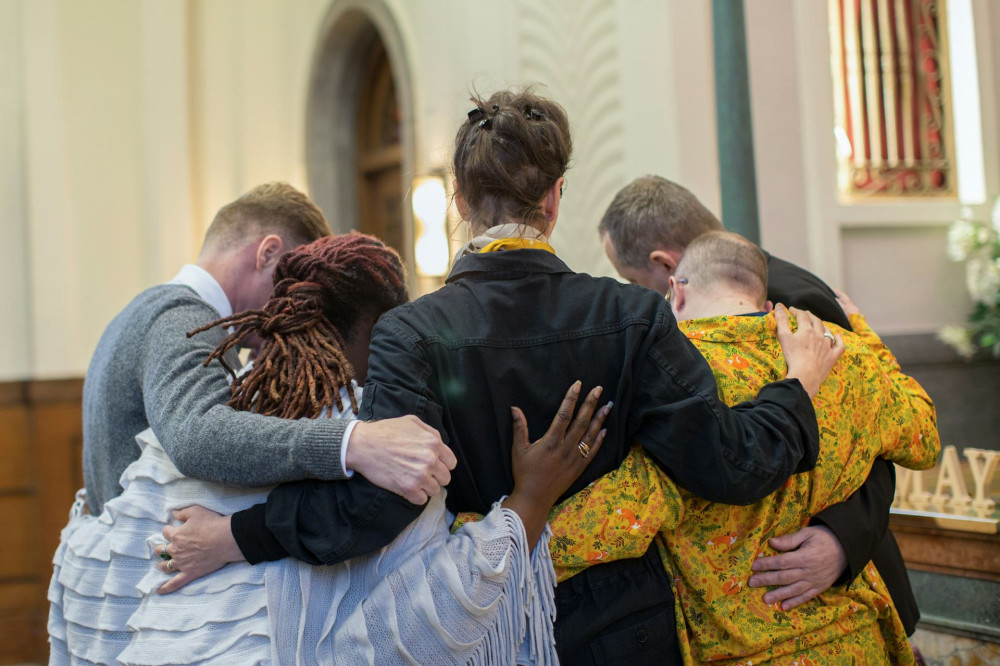
Talking about goodbyes—whether it’s because of illness, death, or a loved one’s final days—is one of the hardest conversations a family can have. Yet it’s often these very conversations that bring peace, understanding, and closeness when emotions are high and the future feels uncertain. When everyone in the family has a chance to be heard, saying goodbye becomes not only a moment of loss but also an opportunity to come together.
Why Talking About Goodbyes Matters
Many families avoid talking about death because they want to protect one another. But silence can lead to confusion, unspoken fears, and missed opportunities for connection. When we dare to talk openly, we can create clarity and comfort—for the person who is leaving and for those who will remain.
Open conversations about wishes, fears, and hopes can be deeply relieving. They might include practical matters like funeral arrangements or music choices, but also personal reflections on how someone wants to be remembered. These talks help everyone feel included and respected.
Creating a Safe Space for the Conversation
A meaningful conversation about goodbye takes time, calm, and respect. It helps to choose a quiet moment when everyone feels ready to listen.
- Start with what’s present. Ask how the other person is feeling and what’s on their mind right now.
- Be honest, but gentle. Showing emotion is okay—it means the topic matters.
- Listen more than you speak. Sometimes silence and presence say more than words.
- Accept differences. Not everyone will want to talk in the same way or at the same pace.
If the conversation feels too heavy, it’s fine to take it in steps. What matters most is that the conversation happens—not that everything is said at once.
Læs også:



Including Children and Teens
Children sense more than we think. Even very young kids notice when something is changing, so it’s important to include them in ways that fit their age. Use simple, honest language, and avoid overwhelming them with too much detail.
For teenagers, expressing feelings can be especially hard. They might react with anger, silence, or withdrawal. Giving them space while showing that you’re available when they’re ready to talk can make a big difference. Some teens find it easier to express themselves through writing, art, or music rather than direct conversation.
Different Ways to Say Goodbye
Goodbyes can take many forms. Some families write letters, others create memory books or look through old photos together. Small rituals—lighting a candle, planting a tree, or taking a special trip—can also help.
These gestures give everyone a way to express emotions that may be hard to put into words. They can also help children and teens take an active role in the farewell, making them feel part of the family’s shared experience.
When the Conversation Feels Too Hard
Sometimes it’s simply too painful to talk directly about death. In those cases, involving a third party—a counselor, chaplain, or grief specialist—can help. They can guide the conversation, provide structure, and help find the right words when they’re hard to say.
Writing can also be a powerful alternative. A letter allows someone to share thoughts and feelings privately, and it can become a lasting gift for both the writer and the reader.
After the Goodbye—Keep Listening
The conversation doesn’t end when the goodbye has happened. Grief changes over time, and the need to talk may come and go. Some people want to remember often; others need quiet and distance. The key is to respect each person’s way of grieving.
Continuing to listen—even months or years later—is a way to show love and connection. It reminds us that while someone may be gone, the relationship and the memories remain.
A Shared Path Through Goodbye
Talking about goodbyes in the family isn’t only about preparing for loss—it’s about strengthening life, the part that continues. When everyone has a chance to be heard, grief is shared, and the family bond grows stronger. In conversation, we find comfort, understanding, and sometimes even peace.
Læs også: